
Updated planning guide for 2026-2027
4-Day Cycling Tour Around Lake Kivu: Complete Guide 2026-2027
Discover the stunning beauty of Lake Kivu on a 4-day cycling tour. This comprehensive guide provides all the details you need for an unforgettable adventure in Rwanda.
WhatsApp +255616946642 | topguideadventures@gmail.com | info@topguideadventures.com
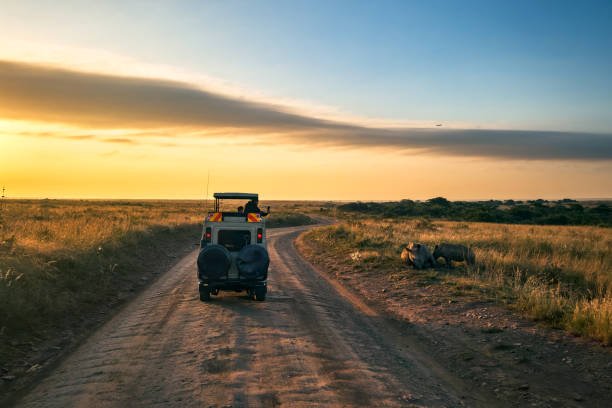
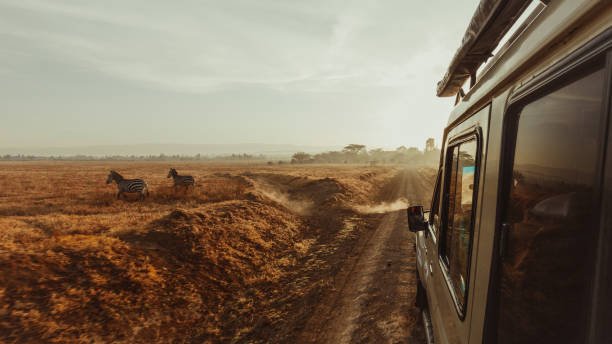
4-Day Cycling Tour Around Lake Kivu: Your Ultimate Rwanda Adventure Guide
The shimmering expanse of Lake Kivu, nestled between Rwanda and the Democratic Republic of Congo, offers one of East Africa’s most breathtaking and underrated cycling experiences. A 4-day cycling tour around Lake Kivu presents a unique opportunity to explore vibrant local life, stunning landscapes, and the serene beauty of this vast freshwater lake. Unlike the more crowded tourist trails, cycling along Kivu’s shores provides an intimate connection with the region, allowing you to pedal through lush hills, past fishing villages, and alongside tea plantations at your own pace. This guide is crafted to help you plan every aspect of this memorable journey, from understanding the terrain and best times to visit, to packing essentials and making informed booking decisions with a trusted operator like Top Guide Adventures.
While Rwanda is globally recognized for its gorilla trekking and the iconic Mount Kilimanjaro climbs managed by operators like us, the Lake Kivu region offers a different, yet equally rewarding, kind of adventure. It’s a chance to immerse yourself in the ‘Land of a Thousand Hills’ from a unique vantage point – the saddle of a bicycle. Whether you’re a seasoned cyclist or an adventurous traveler looking for a new perspective, a 4-day tour around Lake Kivu promises exhilarating rides, cultural encounters, and unparalleled natural beauty.
Table of Contents
- Quick Facts About a Lake Kivu Cycling Tour
- Lake Kivu Cycling Tour: An Overview
- Why Choose a 4-Day Cycling Tour Around Lake Kivu?
- Best Time for Your Lake Kivu Cycling Adventure
- Sample 4-Day Lake Kivu Cycling Route (East Side Focus)
- What to Expect on Your Cycling Tour
- Terrain and Difficulty Levels
- Typical Inclusions and Exclusions
- Packing and Preparation Essentials
- Common Mistakes to Avoid
- Who is a Lake Kivu Cycling Tour Best Suited For?
- Alternatives to a 4-Day Cycling Tour
- Planning Your 2026-2027 Trip
- Booking Your Cycling Tour: Expert Advice
- Frequently Asked Questions
Quick Facts About a Lake Kivu Cycling Tour
| Aspect | Details |
|---|---|
| Duration | Typically 4 Days / 3 Nights |
| Location | Lake Kivu, Rwanda (primarily Eastern shores) |
| Activity Level | Moderate to High (depending on route and fitness) |
| Scenery | Lakeshore, hills, tea plantations, local villages, islands |
| Best For | Active travelers, culture enthusiasts, nature lovers |
| Bike Type | Mountain bike or robust hybrid recommended |
| Accommodation | Guesthouses, lodges, hotels |
Lake Kivu Cycling Tour: An Overview
A 4-day cycling tour around Lake Kivu is designed to offer an immersive experience of Rwanda’s western edge. This journey typically focuses on the scenic eastern shoreline, known for its accessibility and stunning vistas. You’ll cycle along well-maintained roads, some paved and some gravel, passing through vibrant communities and picturesque landscapes. The tour is structured to balance challenging cycling segments with opportunities to rest, interact with locals, and appreciate the natural environment. Expect days filled with rolling hills, rewarding descents, and the constant presence of the vast, blue lake.
The itinerary allows for flexibility, often incorporating boat trips to explore islands or visit remote spots not accessible by bike. Accommodation ranges from comfortable lakeside lodges to charming guesthouses, providing a welcoming respite after a day’s ride. This tour is more than just cycling; it’s a cultural exploration, a chance to witness daily life unfold in Rwanda’s countryside, from farmers tending their fields to fishermen casting their nets. It’s an authentic way to connect with the country away from the main tourist hubs.
Why Choose a 4-Day Cycling Tour Around Lake Kivu?
Choosing to cycle around Lake Kivu offers a distinct set of advantages for the discerning traveler:
- Unique Perspective: Cycling provides an intimate and up-close view of the Rwandan landscape and culture that is hard to match from a vehicle. You feel the wind, smell the earth, and hear the sounds of the countryside.
- Active Engagement: It’s an excellent way to stay active while traveling. The moderate terrain, while challenging at times, is achievable for most with a reasonable level of fitness, offering a sense of accomplishment.
- Cultural Immersion: The route takes you through small villages and towns where you can interact with local communities, observe their daily routines, and perhaps sample local produce or crafts. This is a significant aspect of experiencing Rwanda beyond the famous national parks.
- Stunning Natural Beauty: Lake Kivu is one of Africa’s Great Lakes, boasting crystal-clear waters, volcanic islands, and lush green hillsides. The views are consistently spectacular.
- Less Crowded: Compared to other Rwandan attractions, the Kivu cycling routes are less frequented, offering a more serene and authentic travel experience.
- Supportive Infrastructure: While not as developed as European cycling routes, Rwanda is making strides in promoting cycling tourism, with improving road conditions and growing awareness among local communities and tour operators.
Best Time for Your Lake Kivu Cycling Adventure
Rwanda experiences a tropical climate, with two distinct rainy seasons and two dry seasons. The best time for a 4-day cycling tour around Lake Kivu generally falls within the dry periods, which offer more favorable riding conditions.
| Period | Description | Suitability for Cycling |
|---|---|---|
| Dry Season 1: June to August | Cooler temperatures, lowest rainfall. Ideal for outdoor activities. | Excellent. Clear skies, dry roads. This is peak season for many Rwandan activities. |
| Dry Season 2: December to February | Warmest temperatures, minimal rain. Generally pleasant. | Very Good. Roads are dry, though it can be warmer than the June-August period. |
| Short Rainy Season: March to May | Moderate to heavy rainfall, can be humid. | Fair. Roads can be muddy and slippery, especially gravel sections. Rides might be interrupted by downpours. Visibility can be reduced. |
| Long Rainy Season: September to November | Intermittent rain, can be heavier in October/November. Lush green scenery. | Fair. Similar to the short rainy season, expect wet conditions. However, the landscape is incredibly verdant, which can be beautiful if you don’t mind the rain. |
For the best experience on your 4-day cycling tour around Lake Kivu, aiming for the June-August or December-February dry seasons is highly recommended. These periods ensure drier trails, better visibility, and more comfortable riding temperatures. However, if you prefer lush green scenery and don’t mind occasional rain showers, the shoulder months can also be viable, provided you are prepared.
Sample 4-Day Lake Kivu Cycling Route (East Side Focus)
This sample route focuses on the eastern shores of Lake Kivu, starting and ending near Gisenyi or Kibuye, two popular lakeside towns. It’s a template and can be customized by tour operators like Top Guide Adventures based on your fitness, interests, and available time. Distances are approximate and can vary significantly based on exact paths chosen.
Route Overview: Gisenyi to Kibuye and Back (or onward)
This route emphasizes scenic roads, cultural stops, and manageable daily distances, averaging 30-50 km per day depending on elevation and terrain.
-
Day 1: Gisenyi to Kinunu (Approx. 40-50 km)
- Start in Gisenyi, a bustling lakeside town.
- Cycle south along the main road (often paved initially, transitioning to gravel).
- Pass through small villages and enjoy panoramic lake views.
- Potential stops: Local markets, viewpoints.
- Overnight: Guesthouse or lodge in the Kinunu area.
-
Day 2: Kinunu to Bwishyura/Kibuye (Approx. 40-50 km)
- Continue south along the lake.
- The terrain may involve more hills as you approach Kibuye.
- Visit a tea plantation (e.g., near Shangi) for a tour and tasting.
- Explore the Genocide Memorial at Bisesero if time and interest permit (requires a detour and can be emotionally impactful).
- Arrive in Kibuye, a picturesque town known for its islands and churches.
- Overnight: Lodge or hotel in Kibuye.
-
Day 3: Kibuye Exploration & Island Visit (Cycling & Boat)
- Morning: Cycle to nearby points of interest around Kibuye, perhaps exploring some of the peninsulas or smaller roads.
- Afternoon: Take a boat trip to one of the nearby islands (e.g., Amahoro Island) for swimming, relaxation, or birdwatching.
- Optional: Kayaking or paddleboarding.
- Overnight: Kibuye.
-
Day 4: Kibuye to Gisenyi (Approx. 60-70 km) or transfer
- Option 1 (Cycling): Cycle back north towards Gisenyi. This is a longer day, potentially covering more ground.
- Option 2 (Transfer): Arrange for a vehicle transfer back to Gisenyi, allowing for more time to relax or explore Gisenyi town further. This is often preferred for those who want to maximize their time in other destinations or have early onward travel.
- End of tour in Gisenyi.
Note: This is a sample. Routes can be extended, shortened, or modified. Some tours might offer a one-way journey with a transfer back, or focus on a specific section of the lake.
What to Expect on Your Cycling Tour
A 4-day cycling tour around Lake Kivu is an adventure that blends physical activity with cultural discovery and natural appreciation. Here’s a breakdown of what you can realistically expect:
- Daily Rides: Expect to cycle between 30 and 60 kilometers per day, depending on the chosen itinerary and your pace. These are not leisurely flat rides; Rwanda is the ‘Land of a Thousand Hills,’ and you will encounter climbs. However, the rewards are often stunning vistas and the satisfaction of reaching the summit.
- Road Conditions: The roads along Lake Kivu vary. You’ll likely encounter a mix of paved tarmac, well-maintained gravel roads, and potentially some rougher dirt tracks. Paved sections are common closer to towns like Gisenyi and Kibuye, while more remote stretches can be unpaved.
- Scenery: Prepare for breathtaking views. The lake itself is expansive and often a deep blue, fringed by verdant green hills. You’ll see terraced farms, banana plantations, tea estates, and small, vibrant villages. The changing light on the water and hills throughout the day is a constant delight.
- Cultural Interactions: You will pass through numerous small communities. Children often wave and shout greetings (‘Muzungu!’), and adults are generally friendly and curious. Opportunities to stop and interact, perhaps buy a snack or drink, are plentiful. Respectful engagement is key.
- Support Vehicle: Most reputable tours, especially those organized by experienced operators like Top Guide Adventures, include a support vehicle. This vehicle carries your luggage, provides water and snacks, and offers a place to rest if you become tired or encounter mechanical issues. This is crucial for comfort and safety.
- Accommodation: Lodges and guesthouses along Lake Kivu are typically comfortable and clean, offering a pleasant place to relax. Amenities can range from basic but charming to more upscale, depending on the specific lodges chosen by your tour operator. Expect hot showers and good meals.
- Food: Rwandan cuisine is based on fresh, local ingredients. You’ll likely enjoy dishes featuring rice, beans, potatoes, plantains, and fresh fish from the lake. Many lodges offer buffet-style meals or set menus.
- Weather: While dry seasons are preferred, Rwanda’s weather can be unpredictable. Be prepared for sunshine, heat, humidity, and potential rain showers, even during drier months.
Terrain and Difficulty Levels
The terrain around Lake Kivu is characterized by its hilly nature. Rwanda is famously known as the ‘Land of a Thousand Hills,’ and this is very evident along the lake’s shores. Your 4-day cycling tour around Lake Kivu will involve:
- Rolling Hills: Expect frequent ascents and descents. Some climbs can be sustained for several kilometers, requiring a good level of cardiovascular fitness and stamina.
- Steep Sections: Certain roads, especially those leading away from the immediate shoreline or connecting different ridges, can be quite steep. These are often short but intense.
- Road Surfaces: A mix of surfaces is common:
- Tarmac/Paved Roads: These are generally smoother and faster, often found on main routes connecting larger towns.
- Gravel Roads: Many secondary routes are unpaved gravel. These can be dusty in dry conditions and muddy or slippery in the wet. They often offer a more scenic and authentic experience but require more effort to cycle on.
- Dirt Tracks: Occasionally, you might encounter rougher dirt paths, particularly if exploring smaller trails or accessing specific viewpoints.
- Altitude: Lake Kivu sits at an altitude of around 1,460 meters (4,790 feet). While not extremely high, the altitude can affect breathing during strenuous climbs.
Overall Difficulty: A 4-day tour is typically rated as moderate to challenging. It is suitable for individuals who have a good base level of fitness, enjoy cycling regularly, and are comfortable with sustained uphill efforts. It is not generally recommended for absolute beginners unless the itinerary is specifically designed for very short, easy distances with significant vehicle support.
Typical Inclusions and Exclusions
When booking a 4-day cycling tour around Lake Kivu, understanding what is included and excluded is vital for budgeting and preparation. Reputable tour operators like Top Guide Adventures provide detailed itineraries, but here’s a general guide:
| Common Inclusions | Common Exclusions |
|---|---|
| Accommodation: Nights as specified in the itinerary (usually 3 nights). | International Flights: Flights to and from Rwanda. |
| Meals: Typically breakfast daily, and some lunches/dinners as specified (often full board on cycling days). | Visa Fees: For Rwanda. |
| Bicycle Rental: A suitable mountain bike or hybrid bike, often with helmet. | Travel Insurance: Comprehensive travel and medical insurance is mandatory. |
| Support Vehicle: For luggage transport, water, snacks, and emergency support. | Personal Expenses: Souvenirs, drinks, laundry, tips. |
| English-Speaking Guide: A knowledgeable local guide accompanying the tour. | Optional Activities: Kayaking, boat trips (sometimes included, check itinerary), entrance fees for specific sites not part of the core route. |
| Park Entrance Fees: If any specific areas require them (less common for Kivu cycling tours compared to safaris). | Bicycle Maintenance: Minor repairs due to wear and tear might be covered, but significant damage from misuse may incur charges. |
| Drinking Water and Snacks: Provided during cycling days. | Vaccinations and Medications: Costs associated with health preparations. |
Packing and Preparation Essentials
Proper packing and preparation are key to enjoying your 4-day cycling tour around Lake Kivu. Here’s a comprehensive list:
Cycling Gear:
- Cycling Shorts/Bibs: Padded shorts are essential for comfort. Bring at least two pairs.
- Jerseys: Moisture-wicking cycling jerseys (short or long sleeve).
- Cycling Gloves: Padded gloves for grip and hand protection.
- Cycling Shoes: If you use clipless pedals; otherwise, comfortable athletic shoes with good grip.
- Helmet: A well-fitting helmet is crucial (often provided, but check).
- Eyewear: Sunglasses to protect from sun and dust.
- Water Bottles/Hydration Pack: Essential for staying hydrated.
- Basic Repair Kit: If you are a confident cyclist and want to handle minor issues yourself (spare tube, tire levers, pump). Your support vehicle should have more comprehensive tools.
Clothing:
- Lightweight, quick-drying clothing: For off-bike activities and travel.
- Layers: A fleece or light jacket for cooler evenings or higher altitudes.
- Rain Gear: Waterproof and windproof jacket, potentially rain pants.
- Casual wear: For evenings at lodges/guesthouses.
- Swimsuit: For lake activities.
- Socks: Moisture-wicking socks (cycling and casual).
Health & Hygiene:
- Sunscreen: High SPF.
- Insect Repellent: Especially for evenings.
- Personal First-Aid Kit: Band-aids, antiseptic wipes, pain relievers, any personal medications.
- Hand Sanitizer: For use on the go.
- Toiletries: Biodegradable options are appreciated.
Documents & Money:
- Passport: With at least 6 months validity and blank pages.
- Visa: If required for your nationality (check Rwanda immigration website).
- Travel Insurance Details: Policy number and emergency contact.
- Cash: Rwandan Francs (RWF) for small purchases, tips. USD are also widely accepted for larger payments (e.g., visas, sometimes accommodation).
- Credit/Debit Cards: For ATMs or larger purchases (inform your bank of travel dates).
Miscellaneous:
- Camera: And extra batteries/memory cards.
- Power Bank: For charging devices on the go.
- Small Backpack/Daypack: For carrying essentials during rides (water, snacks, camera).
- Headlamp/Torch: Useful for evenings or early mornings.
- Book/Journal: For downtime.
Preparation:
- Physical Fitness: Ensure you have a good level of cycling fitness. Aim for regular rides, including hills, in the months leading up to your trip.
- Bike Fit: If using your own bike, ensure it’s recently serviced. If renting, discuss bike fit options with your operator.
- Vaccinations: Consult your doctor or a travel clinic about recommended vaccinations (e.g., Yellow Fever, Hepatitis A, Typhoid) and malaria prophylaxis.
Common Mistakes to Avoid
To ensure your 4-day cycling tour around Lake Kivu is as smooth and enjoyable as possible, be aware of these common pitfalls:
- Underestimating the Hills: Rwanda’s topography is no joke. Many first-time visitors are surprised by the constant ups and downs. Don’t assume Kivu will be flat just because it’s a lake. Proper physical preparation is key.
- Inadequate Hydration and Sun Protection: Cycling under the equatorial sun, even at altitude, can lead to dehydration and sunburn quickly. Carry more water than you think you’ll need and use sunscreen diligently.
- Poorly Padded Cycling Shorts: This is a recipe for discomfort on longer rides. Invest in good quality padded shorts, and don’t skimp on this essential piece of gear.
- Not Bringing Appropriate Clothing: Packing only summer wear is a mistake. Evenings can be cooler, and rain is always a possibility. Layers and waterproofs are essential.
- Ignoring Local Culture and Customs: While Rwandans are generally welcoming, it’s important to be respectful. Ask permission before taking photos of people, dress modestly when not cycling, and learn a few basic Kinyarwanda phrases (like ‘Muraho’ for hello, ‘Murakoze’ for thank you).
- Not Having a Support Vehicle: For a multi-day tour, a support vehicle is almost indispensable. It carries your luggage, provides refreshments, and is a lifeline if you have a mechanical issue or need a break. Ensure your tour includes one.
- Relying Solely on Paved Roads: While some routes are paved, many scenic options are gravel. Be prepared for varied road surfaces and potential dust or mud.
- Not Arranging Transport Back: If your tour doesn’t explicitly include a return transfer, factor this into your planning. Relying on last-minute transport can be stressful and expensive.
- Overpacking: While preparation is key, avoid bringing excessive luggage. Most tours have weight limits for the support vehicle, and you’ll be happier with less to manage.
Who is a Lake Kivu Cycling Tour Best Suited For?
A 4-day cycling tour around Lake Kivu is a fantastic experience tailored for specific types of travelers:
- Active Adventurers: Those who enjoy physical challenges and the thrill of exploring by bike. If you like to earn your views and experiences through effort, this tour is for you.
- Culture Enthusiasts: Travelers keen to connect with local life, visit villages, and understand the daily rhythms of rural Rwanda. The interactions along the route are a significant draw.
- Nature Lovers: Anyone who appreciates stunning lake views, lush green landscapes, and the tranquility of natural environments. The scenery is a constant highlight.
- Photography Buffs: The combination of dramatic landscapes, vibrant local scenes, and the ever-changing light on the lake provides endless photographic opportunities.
- Travelers Seeking Authentic Experiences: Those who want to go beyond the typical tourist trail and discover a less-explored side of Rwanda.
- Intermediate Cyclists: Individuals with a good level of fitness who are comfortable cycling moderate distances (30-60 km) with significant elevation changes on varied terrain.
- Couples and Small Groups: The intimate nature of cycling tours makes them ideal for couples or small groups of friends looking for a shared adventure.
It may not be the best fit for:
- Absolute beginners with no cycling fitness.
- Travelers who prefer luxury accommodations and minimal physical exertion.
- Those who dislike hills or varied road surfaces.
- Individuals with significant health concerns that would be exacerbated by strenuous cycling.
Alternatives to a 4-Day Cycling Tour
While a 4-day cycling tour around Lake Kivu offers a unique experience, Rwanda and its surroundings present other compelling options for active travelers:
- Gorilla Trekking: The quintessential Rwandan experience. Trekking through Volcanoes National Park to see mountain gorillas in their natural habitat is unforgettable. This is often combined with other activities.
- Chimpanzee Trekking & Canopy Walk: Nyungwe Forest National Park offers incredible opportunities to see chimpanzees, colobus monkeys, and walk on the famous canopy walkway suspended high in the forest.
- Mount Kilimanjaro Climb: While Kilimanjaro is in Tanzania, operators like Top Guide Adventures specialize in this iconic trek, offering various routes to Africa’s highest peak.
- Mount Meru Climb: A challenging but rewarding trek in Tanzania, often used as acclimatization for Kilimanjaro.
- Zanzibar Beach Holidays: For relaxation after trekking or safaris, Zanzibar offers pristine beaches, turquoise waters, and rich history.
- Serengeti & Masai Mara Safaris: Experience classic African wildlife viewing in these world-renowned national parks, often combined with other Tanzanian or Kenyan adventures.
- Kigali City Tour: Explore Rwanda’s vibrant capital, including the Kigali Genocide Memorial, art centers, and local markets.
- Kayaking/Boat Tours on Lake Kivu: If cycling isn’t your preference, you can still enjoy the lake’s beauty through guided kayaking trips or boat excursions to islands.
- Coffee Plantation Tours: Rwanda is known for its high-quality coffee. Visiting a plantation offers insight into the process and a chance to taste local brews.
A 4-day cycling tour around Lake Kivu is ideal for those seeking a blend of activity, culture, and scenery, distinct from the wildlife-focused safaris or high-altitude treks.
Planning Your 2026-2027 Trip
Planning ahead is crucial for a successful 4-day cycling tour around Lake Kivu, especially if you’re looking at the 2026-2027 travel window. Here’s a guide:
- Choose Your Season: As outlined earlier, the dry seasons (June-August and December-February) are ideal. Book well in advance if you plan to travel during these peak times for 2026 or 2027, as accommodation and guides can fill up.
- Select a Reputable Tour Operator: This is paramount. Look for operators with experience in Rwanda, good reviews, and clear communication. Top Guide Adventures has extensive knowledge of Rwandan tours and can tailor a Kivu cycling experience to your needs.
- Define Your Fitness Level: Be honest about your cycling fitness. Communicate this clearly with your tour operator so they can suggest the most appropriate itinerary or modifications.
- Book in Advance: For 2026-2027 travel, especially if you have specific dates or require custom arrangements, booking 6-12 months in advance is advisable. This secures your preferred dates, accommodation, and guides.
- Visa Requirements: Check the latest visa regulations for Rwanda for your nationality. Many nationalities can obtain a visa on arrival, but it’s best to confirm and consider e-visa options if available.
- Health Preparations: Consult your doctor or a travel clinic at least 6-8 weeks before your trip regarding vaccinations and malaria prevention.
- Travel Insurance: Secure comprehensive travel insurance that covers adventure activities like cycling and medical emergencies. Ensure it’s valid for your entire trip duration.
- Budgeting: While exact prices vary, factor in tour costs, flights, visas, tips, personal expenses, and any pre/post-tour accommodation.
- Flights: Book international flights to Kigali International Airport (KGL) in advance for better fares, especially for 2026-2027.
- Customization: Don’t hesitate to discuss customization options with your operator. You might want to add a day in Kigali, extend your stay at Lake Kivu, or combine it with other Rwandan destinations.
Booking Your Cycling Tour: Expert Advice
Securing the right 4-day cycling tour around Lake Kivu requires careful consideration. As a leading Tanzania tour operator with deep expertise in East African adventures, Top Guide Adventures offers the following advice:
- Research Operators Thoroughly: Look beyond just price. Check for operator experience in Rwanda, client testimonials, safety records, and the quality of their guides. A local operator like Top Guide Adventures has invaluable on-the-ground knowledge.
- Inquire About the Support Vehicle: A well-equipped support vehicle is crucial for comfort and safety. Understand its role – does it carry all luggage? Are there refreshments? Can you hop in if needed?
- Clarify Bike Quality: If renting a bike, ask about the type of bicycle (mountain bike, hybrid), its condition, and whether a helmet is included. If you have specific needs (e.g., a smaller frame, clipless pedals), communicate them early.
- Understand the Itinerary Details: A good itinerary clearly outlines daily distances, elevation profiles (if possible), road surfaces, points of interest, and accommodation types. Ask for a detailed day-by-day breakdown.
- Ask About Group Size: Smaller groups generally offer a more intimate and flexible experience.
- Check Inclusions/Exclusions Carefully: Ensure you know exactly what your tour price covers (meals, accommodation, bike rental, guide, vehicle) and what you’ll need to pay for separately.
- Payment Terms: Understand the deposit requirements, payment schedule, and cancellation policy. Reputable operators will have clear terms and conditions.
- Communication is Key: Choose an operator who responds promptly and clearly to your questions. This is a good indicator of their service quality. For a personalized experience for your 2026-2027 adventure, reach out to us!
- Travel Insurance: Always ensure your policy is comprehensive and covers adventure sports. Your operator will likely require proof of insurance.
- Build Trust: When you find an operator you feel comfortable with, and who understands your needs, trust your instincts. Top Guide Adventures is committed to providing exceptional service and memorable experiences.
Ready to plan your unforgettable 4-day cycling tour around Lake Kivu? Contact Top Guide Adventures today to discuss your ideal itinerary. We handle everything from bike arrangements to guiding, ensuring a smooth and exhilarating adventure.
Start Planning Your Lake Kivu Cycling Adventure!
Let Top Guide Adventures craft your perfect 4-day cycling tour around Lake Kivu. We specialize in creating personalized East African experiences. Get in touch to discuss your 2026-2027 travel plans!
WhatsApp: +255616946642
Email: topguideadventures@gmail.com
Backup Email: info@topguideadventures.com
Frequently Asked Questions
Your Questions Answered
Q1: Is a 4-day cycling tour around Lake Kivu suitable for beginners?
A1: Generally, a 4-day cycling tour around Lake Kivu is considered moderate to challenging due to the hilly terrain and varied road surfaces. While it can be adapted for less experienced cyclists by significantly reducing daily distances and increasing vehicle support, it’s best suited for those with a reasonable level of cycling fitness. Absolute beginners might find it too strenuous unless a highly customized, very gentle itinerary is arranged.
Q2: What kind of bicycle is best for this tour?
A2: A mountain bike or a robust hybrid bike with good gearing and sturdy tires is highly recommended. The varied terrain, including gravel and dirt roads, requires a bike that can handle these conditions comfortably and safely. Most tour operators will provide suitable rental bikes.
Q3: How much cycling is involved each day?
A3: Daily distances typically range from 30 to 60 kilometers (approx. 18-37 miles). This can vary significantly depending on the specific route, the elevation changes, and the pace of the group. The focus is often on enjoying the scenery and culture rather than covering vast distances.
Q4: What is the weather like in Rwanda for cycling?
A4: Rwanda has a pleasant, temperate climate year-round due to its altitude. However, there are distinct wet and dry seasons. The best times for cycling are the dry seasons (June-August and December-February) for drier roads and clearer skies. Rain is possible year-round, so being prepared with waterproof gear is always wise.
Q5: Do I need a visa to enter Rwanda?
A5: Visa requirements vary by nationality. Many nationalities can obtain a visa on arrival at Kigali International Airport. However, it is essential to check the latest regulations with the Rwandan Directorate General of Immigration and Emigration or your local embassy before your trip. Some nationalities may need to apply in advance.
Q6: What are the safety considerations for cycling in Rwanda?
A6: Safety is generally good, especially with a reputable tour operator. Roads can be narrow and busy with local traffic (buses, motorcycles, pedestrians). A support vehicle is crucial for managing luggage, providing water, and offering assistance. Always follow your guide’s instructions, wear a helmet, and be aware of your surroundings.
Q7: Can I bring my own bicycle?
A7: Yes, you can bring your own bicycle if you prefer. However, ensure it is well-maintained and suitable for the terrain. Be aware of airline baggage fees and customs procedures for bringing a bike into Rwanda. Renting from a local operator often simplifies logistics.
Q8: What should I pack for a 4-day cycling tour?
A8: Essential items include padded cycling shorts, jerseys, gloves, a helmet (if not renting), sunscreen, insect repellent, layers of clothing, rain gear, comfortable shoes, and a basic first-aid kit. Refer to the detailed packing list in this guide.
Q9: Is malaria a risk around Lake Kivu?
A9: Malaria is present in Rwanda, including areas around Lake Kivu. It’s advisable to consult your doctor or a travel clinic about malaria prophylaxis (preventative medication) and other recommended vaccinations before your trip. Using insect repellent, especially during dawn and dusk, is also recommended.
Q10: How far in advance should I book my 2026-2027 trip?
A10: For travel in 2026-2027, especially during peak dry seasons, booking 6 to 12 months in advance is highly recommended. This ensures availability of preferred accommodation, guides, and bikes, and allows ample time for health preparations and visa arrangements.
Ready for Your Lake Kivu Cycling Adventure?
Let us help you plan an extraordinary 4-day cycling tour around Lake Kivu. Whether you’re seeking thrilling rides, cultural encounters, or breathtaking scenery, we tailor each trip to your preferences. Contact Top Guide Adventures for your 2026-2027 Rwanda journey!
WhatsApp: +255616946642
Email: topguideadventures@gmail.com
Backup Email: info@topguideadventures.com
Plan your 4-Day Cycling Tour around Lake Kivu with Top Guide Adventures
Tell us your travel dates, group size, comfort level, and dream experience. We will help you shape a clear, realistic, and memorable Tanzania itinerary.



