
Updated planning guide for 2026-2027
Remote Park Exploration Routes: Complete Guide 2026-2027
Plan your ultimate adventure with our comprehensive guide to remote park exploration routes in Tanzania. Learn about hidden gems, optimal planning, and what to expect for your 2026-2027 travels.
WhatsApp +255616946642 | topguideadventures@gmail.com | info@topguideadventures.com
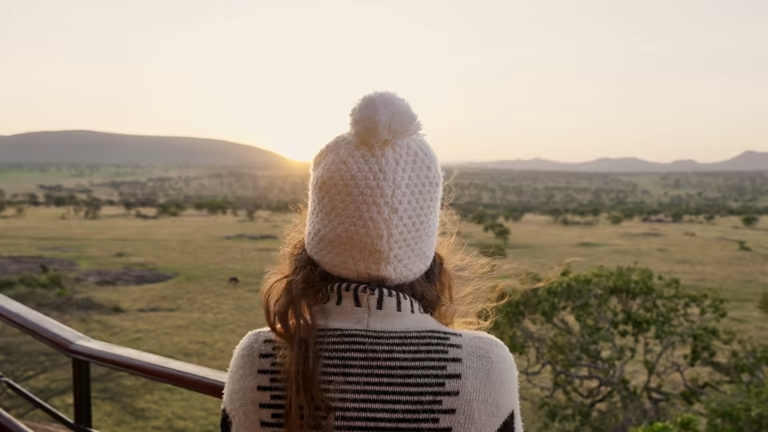
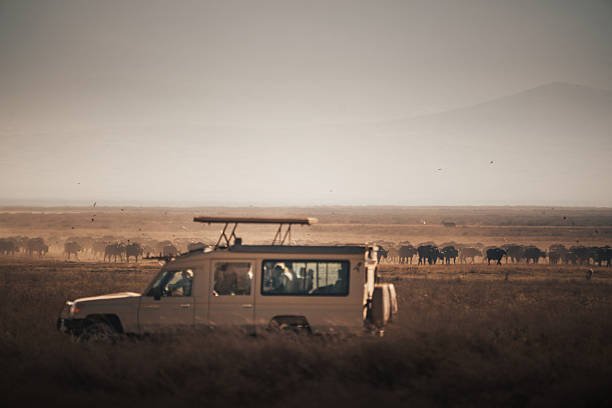
Remote Park Exploration Routes: Your Ultimate Tanzania Adventure Guide
Tanzania is a land of staggering natural beauty, iconic wildlife, and diverse landscapes. While many visitors flock to the renowned Northern Circuit parks like the Serengeti and Ngorongoro Crater, a world of lesser-known, remote park exploration routes awaits those seeking a more intimate and authentic wilderness experience. These routes offer unparalleled opportunities for wildlife viewing, cultural immersion, and a profound connection with nature, away from the crowds.
For travelers planning their 2026 or 2027 adventures, understanding these less-traveled paths is key to crafting a truly unique safari. This guide will take you deep into the heart of Tanzania’s wild places, detailing how to plan, what to expect, and why exploring these remote park routes is an experience unlike any other.
Quick Facts: Remote Tanzania Parks
| Park Type | National Parks, Game Reserves, Conservation Areas |
| Key Feature | Low visitor numbers, pristine wilderness, diverse ecosystems |
| Best For | Experienced safari-goers, photographers, wildlife enthusiasts, those seeking solitude |
| Accessibility | Often requires 4×4 vehicles, bush planes, and guided tours; can be remote |
| Wildlife Highlights | Abundant game, including rare species, diverse birdlife |
Understanding Remote Park Exploration Routes
When we talk about remote park exploration routes, we’re referring to areas within Tanzania that are not typically part of the standard safari circuit. These might be:
- Less Visited National Parks: Parks that, while protected, receive significantly fewer tourists due to their location or infrastructure.
- Extensive Game Reserves: Vast areas managed for wildlife conservation, often with limited tourist facilities, offering a more wild and untamed experience.
- Specialized Conservation Areas: Regions focused on specific conservation efforts, which may offer unique viewing opportunities for particular species or habitats.
- Trans-border Routes: Journeys that might connect different parks or reserves, covering larger distances and more varied ecosystems.
The appeal of these routes lies in their raw beauty and the feeling of discovering something truly special. Imagine vast savannas stretching to the horizon, dense miombo woodlands, or rugged escarpments, all teeming with wildlife that is unaccustomed to human presence. This offers a more naturalistic and often more rewarding wildlife viewing experience.
Why Choose Remote Park Routes?
For many travelers, the standard safari is a fantastic introduction to Tanzania. However, for those who have already experienced the highlights or are looking for something deeper, remote routes offer distinct advantages:
- Authenticity: Experience nature as it is, with minimal human interference. Wildlife behavior is more natural, and the landscapes feel untouched.
- Solitude: Escape the crowds. Enjoy game drives where you might be the only vehicle for miles, offering a profound sense of peace and connection.
- Unique Wildlife Encounters: Some remote areas are sanctuaries for species less commonly seen in busier parks, or offer different densities of common species.
- Photographic Opportunities: Uninterrupted views, natural light, and fewer vehicles mean exceptional chances for stunning wildlife photography.
- Adventure: The journey itself can be an adventure, often involving more rugged travel and a sense of exploration.
Tanzania’s Lesser-Known Gems: Key Remote Park Exploration Routes
While the Serengeti and Ngorongoro are undeniably magnificent, Tanzania boasts other protected areas that offer incredible, yet less crowded, safari experiences. Exploring these requires careful planning and often a dedicated tour operator.
1. Ruaha National Park
Location: South-central Tanzania
Why it’s Remote: Its sheer size and distance from major tourist hubs make it feel incredibly wild. It’s Tanzania’s largest national park.
Highlights:
- Predator Capital: Famous for its large populations of lions, cheetahs, and especially African wild dogs. It’s one of the best places in Africa to see wild dogs.
- Elephant Herds: Home to a significant number of elephants, often seen in large, impressive herds.
- Unique Landscape: Characterized by the Great Ruaha River, dramatic gorges, baobab trees, and rugged hills.
- Birdlife: An ornithologist’s paradise with over 570 bird species recorded.
Travel Style: Best explored with a dedicated 4×4 vehicle and experienced guide. Fly-in safaris are also popular to reduce travel time.
2. Selous Game Reserve (Nyerere National Park)
Location: Southern Tanzania
Why it’s Remote: Historically, it was one of the largest game reserves in Africa, and though now divided, the Nyerere National Park section retains its wild character. It’s less developed than the Northern Circuit.
Highlights:
- River Safaris: The Rufiji River is a central feature, offering boat safaris that provide a unique perspective on wildlife, including hippos, crocodiles, and numerous water birds.
- Diverse Activities: Offers walking safaris and boat safaris in addition to game drives, providing varied ways to experience the bush.
- Abundant Wildlife: Good populations of elephants, giraffes, buffalos, lions, and a healthy number of wild dogs.
- Vastness: The sheer scale of the park means you can find yourself completely alone with nature.
Travel Style: Accessible by road from Dar es Salaam (a long drive) or via light aircraft. Boat trips on the Rufiji are a must.
3. Katavi National Park
Location: Western Tanzania
Why it’s Remote: One of the most remote and least visited parks, requiring significant travel time and effort to reach. It’s a true wilderness frontier.
Highlights:
- Dramatic Wildlife Concentrations: Especially during the dry season, vast numbers of buffalo and elephants congregate around the remaining water sources.
- Predator Action: High densities of lions and crocodiles, often seen in large numbers.
- Untamed Beauty: Features floodplains, woodlands, and seasonal swamps, offering a rugged and wild landscape.
- True Wilderness: For those seeking absolute remoteness and a challenging adventure.
Travel Style: Primarily accessible by chartered or scheduled light aircraft. Requires robust 4×4 vehicles and experienced guides for exploration.
4. Mahale Mountains National Park
Location: Western Tanzania, on the shores of Lake Tanganyika
Why it’s Remote: Accessible only by boat or light aircraft, this park is famous for its chimpanzee trekking and its stunning lakeside setting.
Highlights:
- Chimpanzee Trekking: One of the best places in Africa to see wild chimpanzees in their natural habitat.
- Pristine Lake Tanganyika: The world’s longest freshwater lake provides a beautiful backdrop and opportunities for swimming and relaxation.
- Unique Flora and Fauna: A mix of rainforest and savanna environments.
- Gorilla-like Scenery: The mountainous terrain offers dramatic vistas.
Travel Style: Requires flying into a nearby airstrip or arriving by boat on Lake Tanganyika. Trekking is on foot, often steep and challenging.
5. Gombe Stream National Park
Location: Western Tanzania, on the shores of Lake Tanganyika
Why it’s Remote: Similar to Mahale, it’s a smaller park accessible primarily by boat or light aircraft, famous for its chimpanzee research.
Highlights:
- Jane Goodall’s Research Site: The birthplace of modern chimpanzee research, offering well-established chimpanzee trekking.
- Chimpanzee Families: Observe habituated chimpanzee groups.
- Lake Views: Beautiful views over Lake Tanganyika.
- Walking Trails: Offers opportunities for hiking and birdwatching.
Travel Style: Fly into Kigoma and take a boat to the park. Trekking is on foot.
Planning Your Remote Park Exploration Routes Adventure (2026-2027)
Venturing into Tanzania’s remote parks requires more detailed planning than a typical safari. Here’s what you need to consider for your 2026 or 2027 trip:
1. Best Time to Visit Remote Parks
The ‘best’ time depends heavily on the specific park and your priorities. Generally:
- Dry Season (June to October): Ideal for wildlife viewing in parks like Ruaha and Katavi, as animals gather around water sources. Vegetation thins, making spotting easier. This is also peak season for most of Tanzania, so remote parks might be relatively busier than usual, though still quiet compared to the Serengeti. Roads are generally in better condition.
- Shoulder Seasons (March-May, November-December): Can offer a good balance of wildlife viewing and fewer crowds. The landscape is greener after rains. Some areas might become inaccessible during heavy rains.
- Wet Season (January-February, March-May): Beautiful green landscapes, excellent for birdwatching, and lower prices. However, some roads can be challenging or impassable, and wildlife may be more dispersed. Chimpanzee trekking in Mahale/Gombe is possible year-round but can be muddier.
| Park | Dry Season (June-Oct) | Wet Season (Nov-May) | Chimp Trekking (Mahale/Gombe) |
|---|---|---|---|
| Ruaha | Excellent (concentrated wildlife, good roads) | Good (green scenery, birding, can be wet/muddy roads) | N/A |
| Nyerere (Selous) | Excellent (wildlife viewing, dry riverbeds) | Good (lush scenery, birding, boat safaris excellent) | N/A |
| Katavi | Peak (huge animal concentrations) | Challenging (potential inaccessibility, dispersed wildlife) | N/A |
| Mahale/Gombe | Good (trekking possible, drier trails) | Good (lush, but can be muddy; chimp families may be higher up) | Year-round, but dry season can be easier for trekking. |
2. Getting There and Around
Accessibility is a key factor defining remoteness.
- Bush Planes: For parks like Katavi, Mahale, and Ruaha, light aircraft flights from Arusha or Dar es Salaam are often the most time-efficient way to reach the park. These flights land on small airstrips, and you’ll typically be met by your lodge or guide.
- 4×4 Vehicles: Once in the park, a sturdy, well-maintained 4×4 is essential. Roads can be rough, sandy, or muddy depending on the season.
- Boat: Essential for accessing Mahale and Gombe, and a key activity in Nyerere National Park.
- Walking Safaris: Offered in some reserves and parks, providing a different perspective.
Tip for 2026-2027: Book flights well in advance, especially during peak season. Ensure your tour operator has reliable vehicles and experienced drivers familiar with the terrain.
3. Accommodation Options
Accommodation in remote areas is typically limited to lodges and tented camps. These range from comfortable to luxurious, often designed to blend into the environment.
- Luxury Tented Camps: Offer comfortable beds, en-suite bathrooms, and excellent service, often in prime locations.
- Mid-Range Lodges: Provide comfortable stays with essential amenities.
- Remote Camps: Some operators offer more basic, fly-camping experiences for true immersion.
Considerations:
- Limited Availability: Book accommodation far in advance, especially for popular remote camps.
- All-Inclusive: Most lodges and camps operate on an all-inclusive basis (meals, drinks, some activities). Clarify what’s included.
- Power/Connectivity: Expect limited or no Wi-Fi and potentially generator-powered electricity at specific times. Embrace the digital detox.
4. Itinerary Design for Remote Routes
A typical remote park exploration route itinerary might look like this:
- Day 1: Arrival in Arusha & Flight to Ruaha
- Arrive at Kilimanjaro International Airport (JRO) or Arusha Airport (ARK).
- Transfer to Arusha Airport for your scheduled or charter flight to Ruaha National Park (arrival airstrip depends on lodge location).
- You’ll be met by your guide and transferred to your lodge/camp with a short game drive en route.
- Check-in, lunch, and an afternoon game drive.
- Dinner and overnight at your lodge.
- Day 2-5: Exploring Ruaha National Park
- Full days dedicated to game drives. Morning and afternoon drives are standard, with optional night drives if permitted by your lodge.
- Focus on finding predators, large elephant herds, and diverse birdlife.
- Optional walking safaris (subject to lodge and park regulations) for a more intimate experience.
- Picnic lunches in the bush or return to the lodge for meals.
- Enjoy the solitude and vastness of the park.
- Day 6: Final Game Drive & Departure
- Enjoy a final morning game drive.
- Return to the lodge for breakfast/brunch.
- Transfer to the airstrip for your flight back to Arusha.
- Overnight in Arusha or transfer to Kilimanjaro for your onward flight.
- Day 7: Departure
- Transfer to JRO for your international flight home.
Note: This is a sample. Remote park itineraries often involve longer stays in fewer locations to maximize immersion and minimize travel time within the trip.
5. What to Pack for Remote Safaris
Packing for remote areas requires careful consideration, as shops are non-existent. Focus on practicality and comfort.
Essential Packing List:
- Clothing: Neutral colors (khaki, beige, olive green), lightweight, breathable fabrics. Long sleeves and trousers for sun/insect protection. A warm fleece or jacket for cool mornings/evenings.
- Footwear: Comfortable walking shoes/hiking boots (if doing walking safaris), sandals or trainers for camp.
- Headwear: Wide-brimmed hat for sun protection.
- Eyewear: Sunglasses.
- Sun Protection: High SPF sunscreen, lip balm.
- Insect Repellent: With DEET or Picaridin.
- Camera Gear: Extra batteries, memory cards, charger, lens cleaning kit. A telephoto lens is highly recommended. Binoculars are a must.
- Personal Items: Prescription medications, basic first-aid kit, hand sanitizer, personal toiletries.
- Documents: Passport, visa, flight details, travel insurance, vaccination certificates. Keep digital copies.
- Adapter: Universal travel adapter with surge protection.
- Water Bottle: Reusable water bottle.
- Small Backpack: For day trips and game drives.
Tip for 2026-2027: Pack light, especially if flying on small bush planes with strict weight limits (usually 15-20kg per person in soft bags). Laundry services are often available at lodges.
6. Safety and Health Considerations
Safety is paramount, especially in remote areas.
- Malaria Prevention: Consult your doctor about malaria prophylaxis well in advance of your trip. Use repellent and wear long sleeves/trousers, especially at dawn and dusk.
- Vaccinations: Ensure you are up-to-date on routine vaccinations and consult your doctor about recommended vaccines for Tanzania (e.g., Yellow Fever, Hepatitis A/B).
- Wildlife Safety: Always follow your guide’s instructions. Never approach or feed wildlife. Stay inside vehicles during game drives unless instructed otherwise.
- Water: Drink only bottled or purified water.
- Sun Exposure: The Tanzanian sun is intense. Stay hydrated and protect your skin.
- Emergency Evacuation: Ensure your travel insurance includes emergency medical evacuation. Many operators partner with flying doctor services.
Common Mistakes to Avoid on Remote Park Routes
To ensure your remote exploration is a success, be aware of potential pitfalls:
- Underestimating Travel Times: Distances in Tanzania are vast, and road conditions can be slow. Factor in ample travel time.
- Not Booking in Advance: Remote lodges and bush flights have limited capacity. Book months ahead, especially for 2026-2027 peak seasons.
- Ignoring the Wet Season: While cheaper and greener, the wet season can make certain parks inaccessible or significantly alter wildlife viewing.
- Over-packing: Especially for bush plane transfers where weight limits are strict.
- Expecting Northern Circuit Crowds: While solitude is a draw, understanding that services might be more basic or less frequent than in busier parks is important.
- Not Using a Reputable Tour Operator: For remote routes, an experienced operator is crucial for logistics, safety, and maximizing your experience.
Who Are Remote Park Exploration Routes Best For?
These routes are ideal for:
- Experienced Safari Goers: Those who have perhaps done the Northern Circuit and want to explore further.
- Photographers: Seeking unique light, undisturbed wildlife, and dramatic landscapes.
- Nature Enthusiasts: Who appreciate pristine wilderness and the chance to see wildlife in its natural, unhurried state.
- Travelers Seeking Solitude: Those who value peace, quiet, and a genuine escape from civilization.
- Adventure Seekers: Who enjoy the journey as much as the destination and are comfortable with more rugged travel.
- Birdwatchers: Many remote areas are havens for diverse avian species.
They are generally less suitable for first-time visitors who might prefer the convenience and infrastructure of the more established parks, or families with very young children who might find the long travel times and limited amenities challenging.
Alternatives to Remote Park Exploration
If the idea of extreme remoteness feels a bit daunting, but you still want a less-crowded experience, consider these alternatives:
- Southern Circuit Parks (Tarangire, Lake Manyara): While part of the Northern Circuit, they are often less crowded than the Serengeti and offer excellent game viewing, especially Tarangire for its elephants and baobabs.
- Western Tanzania (lesser-known areas): Exploring areas outside of Mahale and Gombe can still offer unique experiences.
- Walking Safaris in Designated Areas: Some reserves offer excellent walking safari opportunities that provide a different perspective without requiring extensive travel to truly remote parks.
- Combining with Zanzibar: After a more accessible safari (e.g., Northern Circuit), relax on the beaches of Zanzibar for a contrasting experience.
Planning Your 2026-2027 Remote Safari: Expert Tips
For travelers planning their trips for 2026 and 2027, here are some expert tips to make your remote park exploration a reality:
2026-2027 Planning Essentials:
- Book Early: This cannot be stressed enough. For remote lodges and bush flights, 9-12 months in advance is recommended, especially for 2026-2027.
- Choose Your Operator Wisely: For remote routes, an operator with a proven track record in these specific areas is vital. They will handle logistics, permits, and guide selection.
- Be Flexible: Weather can impact travel, and wildlife sightings are never guaranteed. Embrace the unpredictable nature of the bush.
- Budget Appropriately: Remote travel, especially involving bush flights and specialized lodges, can be more expensive than standard safaris. Factor in all costs.
- Consider a Hybrid Itinerary: Combine a few days in a more accessible park with a few days in a remote location to balance experience and logistics.
- Understand Seasonality: Research the specific park’s dry and wet seasons and how they affect wildlife and accessibility for your chosen travel dates in 2026 or 2027.
- Communicate Your Interests: Clearly tell your tour operator what you hope to see and experience (e.g., birding, predator photography, chimpanzees, solitude).
Booking Your Remote Park Exploration Adventure
Booking a safari to remote Tanzanian parks is best done through a trusted tour operator. They have the local knowledge, contacts, and logistical expertise to manage complex itineraries.
When you contact an operator, be prepared to discuss:
- Your desired travel dates (e.g., for 2026-2027).
- Your budget range.
- Your interests (wildlife, photography, culture, adventure).
- Your preferred level of comfort/luxury.
- Any specific parks or experiences you are keen on.
A good operator will then propose a tailored itinerary, including recommended lodges, transport, and activities. They should also provide clear details on what is included and excluded in the price.
Ready to plan your unforgettable journey into Tanzania’s wild heart?
Let us help you craft the perfect remote park exploration routes adventure. Our team has extensive experience designing unique safaris to Tanzania’s most secluded and spectacular destinations.
Contact us today to start planning your 2026 or 2027 safari:
- WhatsApp: +255616946642
- Email: topguideadventures@gmail.com
- Backup Email: info@topguideadventures.com
Frequently Asked Questions (FAQs)
Q1: Are remote park exploration routes safe?
A1: Yes, when planned and executed with a reputable tour operator. Safety protocols are in place, including experienced guides, reliable vehicles, and emergency evacuation plans. Always follow your guide’s instructions.
Q2: How much more expensive are remote safaris compared to popular parks?
A2: Remote safaris can be more expensive due to factors like bush flights, specialized lodges, and longer travel times. However, the value in terms of experience and exclusivity is often considered worthwhile by travelers seeking these unique routes.
Q3: Can I do a remote park exploration route as a solo traveler?
A3: Absolutely. Many lodges cater to solo travelers, and joining small group tours or chartering a vehicle with a guide is common. Your tour operator can help find suitable options for 2026-2027.
Q4: What is the difference between a Game Reserve and a National Park in Tanzania?
A4: National Parks are generally more strictly regulated for conservation and tourism, with established infrastructure. Game Reserves are often larger and can have more flexible regulations, sometimes allowing more varied activities like walking safaris or even limited hunting in specific zones (though this is rare for tourist areas). Nyerere National Park was formerly the Selous Game Reserve.
Q5: How much time should I allocate for a remote park safari?
A5: For remote parks, it’s advisable to allocate at least 3-4 full days in the park itself, plus travel time. This allows for sufficient exploration and acclimatization to the environment. Longer stays are even better.
Q6: Is Wi-Fi available in remote Tanzanian parks?
A6: Generally, Wi-Fi is very limited or non-existent in truly remote areas. Some luxury lodges may offer it, but it’s often slow and unreliable. It’s best to disconnect and enjoy the experience.
Q7: What if I want to see the Great Migration? Can I see it on a remote park route?
A7: The Great Migration is primarily associated with the Serengeti National Park. Remote park exploration routes focus on different experiences and wildlife concentrations, often in areas far from the migration’s path. If the migration is your top priority, it’s best to focus on the Serengeti or Maasai Mara (Kenya).
Q8: What kind of vehicles are used for remote park exploration?
A8: Sturdy 4×4 safari vehicles (like Land Cruisers or Land Rovers) with pop-up roofs are standard for game drives. For specific activities like walking safaris or boat trips, other modes of transport are used.
Q9: Can I combine remote parks with Kilimanjaro or Zanzibar?
A9: Yes, this is a popular combination. You could, for example, trek Kilimanjaro, then fly to a remote park like Ruaha for a safari, and finish with relaxation on Zanzibar. Planning these connections requires expert coordination, which we provide.
Q10: What are the visa requirements for Tanzania for 2026-2027?
A10: Visa requirements can change. Generally, most nationalities require a visa for Tanzania, which can often be obtained online in advance (e-Visa) or upon arrival. It’s crucial to check the latest official government requirements for your nationality well before your travel dates in 2026 or 2027.
Choosing remote park exploration routes in Tanzania offers a profound connection with nature and an adventure that goes beyond the ordinary. These less-traveled paths reveal the raw, untamed beauty of Africa, providing memories that last a lifetime. Start planning your unique safari today.
Plan your Remote Park Exploration Routes with Top Guide Adventures
Tell us your travel dates, group size, comfort level, and dream experience. We will help you shape a clear, realistic, and memorable Tanzania itinerary.



