
Updated planning guide for 2026-2027
Group Safari Cost Africa: Your Complete Guide
Planning a group safari in Africa is an exciting adventure. This comprehensive guide details the factors influencing group safari cost in Africa, helping you budget effectively for your 2026-2027 trip.
WhatsApp +255616946642 | topguideadventures@gmail.com | info@topguideadventures.com
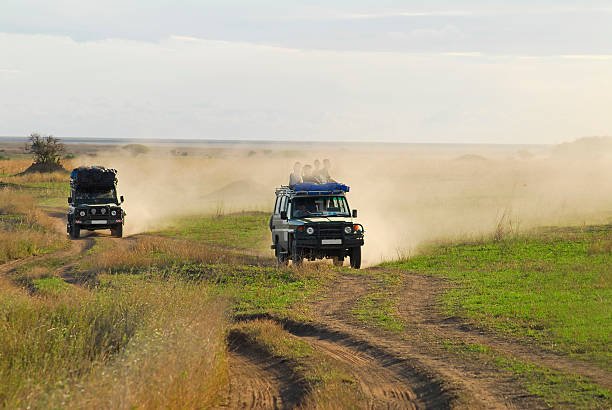
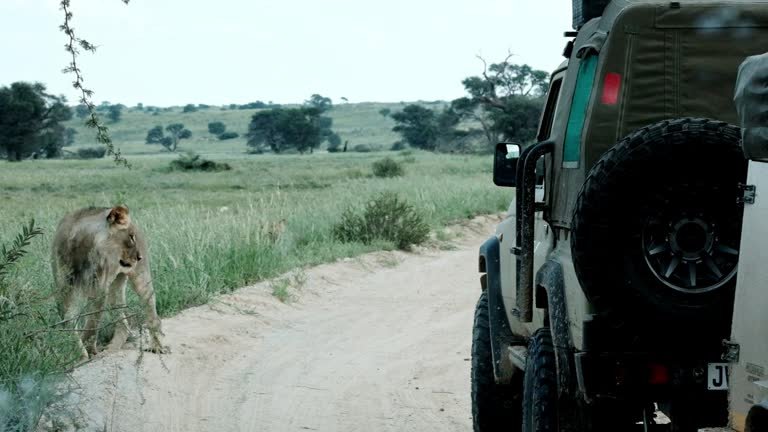
Group Safari Cost Africa: Your Complete Planning Guide for 2026-2027
Organizing a safari for a group in Africa is a dream for many, offering shared experiences and often, more affordable travel. Understanding the group safari cost in Africa is the first crucial step to making this dream a reality. This guide aims to provide a thorough breakdown of what influences these costs, how to budget effectively, and what to expect when planning your adventure for 2026 or 2027.
Quick Facts About Group Safaris in Africa
| Factor | Impact on Cost |
|---|---|
| Duration of Safari | Longer trips increase overall costs. |
| Destinations & Parks | Popular, exclusive, or remote parks can be pricier. |
| Accommodation Type | Luxury lodges vs. mid-range camps vs. budget tented camps. |
| Vehicle Type & Group Size | Private vehicles for smaller groups can cost more per person than shared vehicles in larger groups. |
| Seasonality | Peak seasons (dry season) are generally more expensive than shoulder or low seasons. |
| Inclusions | All-inclusive packages vs. those with extra costs for activities, park fees, or meals. |
| Operator Type | Local operators often offer better value than international ones. |
Table of Contents
- Understanding the Variables Affecting Group Safari Cost in Africa
- Key Components of Your Group Safari Budget
- Crafting Your Itinerary: How it Impacts Cost
- What to Expect on a Group Safari
- Understanding Inclusions and Exclusions
- Packing and Preparation for Your Group Safari
- Common Mistakes to Avoid When Budgeting
- Who is a Group Safari Best Suited For?
- Alternatives to Traditional Group Safaris
- Planning Your Group Safari for 2026-2027
- Booking Your Group Safari: Expert Tips
- Frequently Asked Questions
Understanding the Variables Affecting Group Safari Cost in Africa
The group safari cost in Africa is not a single figure; it’s a dynamic sum influenced by a multitude of factors. For travelers planning for 2026 or 2027, grasping these variables is essential for accurate budgeting and expectation setting.
Destination Choice
Africa is vast, and different regions offer vastly different safari experiences and price points. Countries like Kenya and Tanzania, with their iconic parks such as the Maasai Mara and Serengeti respectively, are popular for good reason. However, their popularity can also drive up costs, especially during peak seasons. Other destinations like Uganda (gorilla trekking), Botswana (high-end, exclusive), or Namibia (unique landscapes) come with their own cost structures. The choice of specific national parks and game reserves also plays a significant role. Some parks have higher entrance fees, while others might require longer travel times, increasing transport costs.
Duration of the Safari
Naturally, the longer your safari, the higher the total cost will be. However, the cost per day can sometimes decrease with longer itineraries, as fixed costs like initial transfers are spread over more days. A typical group safari might range from 7 to 14 days, but custom trips can be shorter or much longer.
Accommodation Standards
This is one of the most significant cost drivers. Options range from:
- Luxury Lodges & Camps: Offer high-end amenities, gourmet dining, private plunge pools, and impeccable service. These significantly increase the group safari cost in Africa.
- Mid-Range Tented Camps/Lodges: Provide comfortable en-suite facilities, good food, and excellent game viewing opportunities, offering a balance of comfort and value.
- Budget Tented Camps/Campsites: Basic but clean facilities, often shared bathrooms, and simple meals. This is the most economical option, ideal for backpackers or those prioritizing experiences over luxury.
For groups, the ability to book out a certain number of rooms or tents can sometimes lead to negotiated rates, but the overall standard chosen will dictate a large portion of the expense.
Group Size and Vehicle Configuration
While the keyword is ‘group safari cost Africa’, the size of the group and how you travel impacts the per-person price. A larger group might be able to negotiate better rates for accommodation and potentially share costs for larger safari vehicles. However, if the group is small, opting for a shared vehicle with other travelers is often the most cost-effective way to experience a safari. Private vehicles for a small group offer more flexibility but come at a higher per-person cost.
Seasonality
Africa’s safari season is typically divided into dry and wet seasons, each offering a different experience and price point.
- Peak Season (Dry Season): Generally June to October. Animals congregate around water sources, making them easier to spot. Weather is pleasant. This is the most popular and therefore most expensive time to travel.
- Shoulder Season: May and November. Weather is transitioning, and crowds are smaller. Prices may be slightly lower than peak season.
- Low Season (Wet Season): December to April. Lush landscapes, fewer tourists, and often lower prices. Some roads might be challenging, and certain animals may disperse. Birdlife is spectacular. Some lodges close during parts of this season.
For 2026-2027 travel, booking outside of the absolute peak months can offer substantial savings.
Included Services
What’s included in your safari package is critical. Some operators offer all-inclusive rates covering park fees, meals, drinks, activities, and internal flights, while others may exclude some of these. Understanding this helps in comparing different quotes and accurately calculating the total group safari cost in Africa.
Tour Operator Type
Booking directly with a local tour operator, like Best Tanzania Tour Operator, often provides better value. Local operators have a deeper understanding of the ground realities, established relationships with lodges and guides, and can often offer more competitive pricing than international operators who have higher overheads.
Key Components of Your Group Safari Budget
To accurately estimate the group safari cost in Africa, break down your budget into these essential components:
- Accommodation: The nightly rate for lodges, camps, or campsites.
- Park Entrance Fees: Daily fees charged by national parks and game reserves. These can add up significantly, especially in popular parks like Serengeti or Maasai Mara.
- Vehicle Hire and Fuel: Cost of the safari vehicle (4×4 is standard) and fuel for game drives. This is often priced per day or per kilometer.
- Guide Fees: The salary and expenses for your professional safari guide.
- Meals: Breakfast, lunch, and dinner. Some lodges include all meals, while others charge separately or offer packed lunches.
- Drinks: Water is usually included, but alcoholic and other soft drinks are often extra.
- Activities: Game drives are standard. Additional activities like walking safaris, night drives, or cultural visits might incur extra charges.
- Internal Flights/Transfers: If your itinerary involves flying between locations or requires long road transfers, factor these costs in.
- Tips: For guides, drivers, lodge staff, and camp crew.
- Visas and Travel Insurance: Essential but often overlooked costs.
- International Flights: The cost to get to and from your entry point in Africa.
- Vaccinations and Medications: Health-related expenses.
- Personal Expenses: Souvenirs, extra snacks, etc.
Crafting Your Itinerary: How it Impacts Cost
The itinerary is the backbone of your safari and directly influences the group safari cost in Africa. A well-designed itinerary balances incredible wildlife viewing opportunities with logistical feasibility and cost-effectiveness.
Example Itinerary Logic (Tanzania focus)
Let’s consider a typical 8-day Northern Circuit safari in Tanzania. The logic behind selecting parks and durations aims to maximize wildlife sightings while managing travel time and costs.
Sample 8-Day Northern Tanzania Group Safari Itinerary
- Day 1: Arrive Kilimanjaro International Airport (JRO), Transfer to Arusha.
- Arrival, meet and greet, transfer to lodge.
- Briefing for the safari.
- Overnight in Arusha.
- Day 2: Arusha to Tarangire National Park.
- Morning drive to Tarangire.
- Full-day game drive, known for its large elephant herds and baobab trees.
- Overnight in a lodge/camp near Tarangire.
- Day 3: Tarangire to Lake Manyara National Park & Ngorongoro Conservation Area.
- Morning game drive in Tarangire.
- Drive to Lake Manyara for a short game drive (tree-climbing lions).
- Continue to Karatu/Ngorongoro rim for overnight.
- Day 4: Ngorongoro Crater Tour.
- Descend into the Ngorongoro Crater for a full-day game drive.
- The crater is a UNESCO World Heritage Site, a natural amphitheater teeming with wildlife.
- Overnight on the crater rim or in Karatu.
- Day 5: Ngorongoro to Serengeti National Park (Central).
- Morning drive to Serengeti, stopping at Olduvai Gorge (optional, extra cost).
- Afternoon game drive in the central Serengeti, famous for its predators and vast plains.
- Overnight in a lodge/camp in Central Serengeti.
- Day 6: Serengeti National Park (Full Day).
- Full day of game drives in Serengeti, exploring different areas based on wildlife movements.
- Optional hot air balloon safari (significant extra cost).
- Overnight in Central Serengeti.
- Day 7: Serengeti to Arusha.
- Morning game drive in Serengeti.
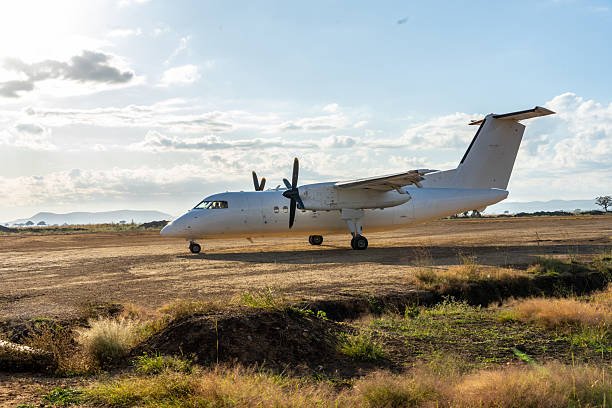
- Fly from Seronera airstrip to Arusha (more efficient and scenic than driving back).
- Overnight in Arusha.
- Day 8: Departure.
- Depending on flight schedule, visit local markets or relax.
- Transfer to Kilimanjaro International Airport (JRO) for departure.
Note: This is a sample itinerary. It can be customized based on group interests, budget, and time. For instance, extending to the Serengeti or adding a visit to the Maasai Mara in Kenya would increase the group safari cost in Africa. Using internal flights (e.g., Seronera to Arusha) adds cost but saves significant travel time.
Itinerary Considerations & Cost Impact:
- Park Combinations: Including more parks or parks requiring longer travel (e.g., Selous Game Reserve or Ruaha in Tanzania, which are often accessed by flight) will increase costs.
- Travel Style: Driving between parks is cheaper but time-consuming. Flying between parks saves time and is often more comfortable for groups but adds significantly to the cost.
- Pace: A faster pace with more locations in fewer days can sometimes be more expensive due to more frequent transfers and accommodation changes. A slower pace allows for deeper exploration and can sometimes be more economical.
- Activities: Adding activities like hot air balloon safaris, walking safaris, or cultural village visits will increase the overall group safari cost in Africa.
What to Expect on a Group Safari
Group safaris are designed to be a shared adventure, offering companionship and often, a more economical way to experience Africa’s wildlife. Here’s what you can generally expect:
- Shared Vehicle: Unless you opt for a private group vehicle, you’ll likely share a safari vehicle with other travelers. This means adhering to a schedule and being mindful of others’ preferences for game viewing.
- Set Itinerary: Most group safaris follow a pre-set itinerary. While there’s flexibility for spontaneous wildlife sightings, major deviations are uncommon.
- Communal Meals: Depending on the accommodation, meals might be communal, offering a chance to connect with fellow travelers.
- Guide’s Expertise: You’ll have a professional safari guide who is knowledgeable about wildlife, local culture, and park regulations. They are key to a successful and safe safari.
- Early Mornings: Safaris often start early to catch animals when they are most active.
- Basic Amenities: Even in comfortable camps, expect rustic charm rather than hotel luxury. Hot water can sometimes be limited, and electricity might be generator-powered and only available for certain hours.
- Wildlife Encounters: The core of the experience. Patience is key, as wildlife sightings are never guaranteed, but guides are skilled at finding animals.
Understanding Inclusions and Exclusions
To avoid surprises and accurately calculate the group safari cost in Africa, meticulously review what your chosen tour package includes and excludes.
Typical Inclusions on a Group Safari
| Item | Description |
|---|---|
| Accommodation | Lodging for the duration of the safari. |
| Meals | Typically breakfast, lunch, and dinner (specified). |
| Park Entrance Fees | Daily fees for all national parks and reserves visited. |
| Safari Vehicle & Fuel | Use of a 4×4 safari vehicle with fuel for game drives. |
| Professional Guide | Services of a qualified safari guide. |
| Water | Bottled drinking water in the vehicle during game drives. |
| Airport Transfers | Transfers between the airport and your starting/ending point. |
Common Exclusions on a Group Safari
| Item | Description |
|---|---|
| International Flights | Flights to and from Africa. |
| Visas | Visa fees for entry into the country/countries. |
| Travel Insurance | Comprehensive travel and medical insurance. |
| Drinks (Alcoholic & Soft) | Beverages beyond bottled water. |
| Optional Activities | Hot air balloon safaris, walking safaris, cultural visits, etc. |
| Tips | For guides, drivers, lodge staff. |
| Personal Expenses | Souvenirs, laundry, phone calls. |
| Vaccinations & Medications | Health-related costs. |
Always ask for a detailed list of inclusions and exclusions from your tour operator. This is fundamental to understanding the true group safari cost in Africa.
Packing and Preparation for Your Group Safari
Proper packing ensures comfort and readiness for your safari adventure. For group travel, it’s also about being considerate of space and fellow travelers.
Essential Packing List for a Group Safari
- Clothing: Neutral colors (khaki, beige, olive green) are best to avoid startling wildlife. Lightweight, breathable fabrics are ideal. Pack layers as mornings and evenings can be cool.
- Footwear: Comfortable walking shoes or hiking boots (if planning walking safaris) and comfortable sandals or flip-flops for camp.
- Outerwear: A light waterproof jacket or poncho, especially during the wet season. A fleece or warm jacket for cooler evenings/mornings.
- Sun Protection: Wide-brimmed hat, sunglasses, high SPF sunscreen.
- Insect Repellent: With DEET or picaridin.
- Personal Toiletries: Biodegradable options are preferred.
- First-Aid Kit: Personal medications, plasters, antiseptic wipes, pain relievers, anti-malarials (if prescribed).
- Camera & Accessories: Extra batteries, memory cards, zoom lens, power bank.
- Binoculars: Essential for spotting wildlife at a distance.
- Headlamp/Torch: Useful for navigating camps at night.
- Adapter: For charging electronics (check voltage and plug types for your destination).
- Small Backpack: For day trips and carrying essentials in the vehicle.
- Reusable Water Bottle: To minimize plastic waste.
- Documents: Passport, visa (if required), flight details, insurance, vaccination certificates, copies of important documents.
Preparation Tips:
- Consult Your Doctor: Discuss necessary vaccinations and malaria precautions well in advance of your 2026-2027 trip.
- Get Travel Insurance: Ensure it covers medical emergencies, evacuation, and trip cancellation.
- Pack Light: Most safari vehicles have limited space. Soft duffel bags are often preferred over hard suitcases. Check baggage allowances if internal flights are involved.
- Learn Basic Phrases: A few words in Swahili (if in East Africa) can enhance interactions.
- Understand Local Customs: Be respectful of local traditions and cultures.
- Manage Expectations: Wildlife sightings are not guaranteed. Embrace the journey and the diverse landscapes.
Common Mistakes to Avoid When Budgeting for Group Safaris
Many travelers overlook crucial aspects when calculating the group safari cost in Africa, leading to budget overruns. Here are common pitfalls:
- Underestimating Park Fees: These can be substantial, especially for longer safaris in multiple parks.
- Forgetting ‘Hidden’ Costs: Tips, drinks, laundry, and personal shopping can add up quickly.
- Not Considering Internal Flights: While convenient, internal flights significantly increase the overall cost compared to road travel.
- Ignoring Visa and Insurance Costs: These are mandatory and should be factored in early.
- Choosing the Wrong Season: Traveling in peak season without realizing the price difference can be a shock.
- Not Comparing Like-for-Like: Different operators include different services. Always compare detailed itineraries and inclusions.
- Overlooking Tipping Culture: Tipping is customary and expected for guides and lodge staff. Budgeting for this is essential.
- Assuming All-Inclusive Means Everything: Clarify what ‘all-inclusive’ actually covers, especially regarding premium drinks or specific activities.
Who is a Group Safari Best Suited For?
Group safaris are a fantastic option for a variety of travelers, particularly when aiming to manage the group safari cost in Africa:
- Budget-Conscious Travelers: Sharing costs for vehicles, guides, and sometimes accommodation makes safaris more accessible.
- Solo Travelers: Provides companionship and safety in numbers, as well as a way to meet like-minded people.
- Friends or Family Groups: Offers a shared adventure and the opportunity to create lasting memories together. Booking a private group can be tailored to specific needs.
- First-Time Safari Goers: A structured itinerary and experienced guide provide a great introduction to the safari experience without the pressure of planning every detail.
- Those Seeking Social Interaction: Enjoying meals and evenings with fellow travelers can enhance the overall experience.
Alternatives to Traditional Group Safaris
If a standard group safari doesn’t quite fit your needs, consider these alternatives:
- Private Safaris: You hire a private vehicle and guide exclusively for your group. This offers maximum flexibility but is the most expensive option per person for smaller groups.
- Customized Group Tours: Work with an operator to create a bespoke itinerary for your specific group, balancing costs, interests, and pace.
- Boutique Safaris: Smaller group sizes (e.g., 6-8 people) on specialized tours focusing on photography, birdwatching, or specific regions. These can be mid-to-high range.
- Self-Drive Safaris: For the very adventurous and experienced, renting a 4×4 and navigating parks yourself can be cost-effective for larger groups, but requires significant planning and local knowledge. This is generally not recommended for first-time visitors to Africa.
- Joining a ‘Scheduled’ Group Tour: Many operators offer fixed-date departures where solo travelers or small groups can join to form a larger group, optimizing costs.
Planning Your Group Safari for 2026-2027
Planning a safari for 2026 or 2027 requires foresight, especially for group travel. Early planning allows for better availability, more choices, and potentially better pricing.
Key Planning Steps:
- Define Your Group’s Interests: What do you want to see? Big Five? Birdlife? Cultural experiences? This will shape the destination and itinerary.
- Set a Realistic Budget: Discuss openly what each member is comfortable spending. This is crucial for determining accommodation levels and destinations.
- Determine the Best Time to Travel: Consider weather patterns, wildlife viewing opportunities, and crowd levels for 2026-2027. The dry season (June-October) is popular but pricier; the wet season (Nov-April) offers lower costs and fewer crowds.
- Choose Your Destination(s): Research which countries and parks best match your interests and budget. Tanzania, Kenya, South Africa, Botswana, and Namibia are popular choices.
- Decide on the Safari Style: Group vehicle, private vehicle, lodge-based, or camping?
- Research Tour Operators: Look for reputable local operators with good reviews and clear communication. For Tanzania, Best Tanzania Tour Operator is a reliable choice.
- Request Quotes: Get detailed quotes from 2-3 operators, ensuring they include all essential services and clearly state exclusions.
- Book Well in Advance: For 2026-2027, especially for popular lodges or during peak seasons, booking 6-12 months ahead is advisable for groups.
- Arrange Visas and Vaccinations: Start this process early.
- Purchase Travel Insurance: Do this immediately after booking your safari.
Booking Your Group Safari: Expert Tips
Booking a group safari is an investment. Here’s how to ensure a smooth process and get the best value for your group safari cost in Africa:
- Work with a Local Expert: A local tour operator like Best Tanzania Tour Operator understands the nuances of planning group safaris in Tanzania and East Africa. They can offer personalized advice and competitive pricing.
- Be Clear About Group Size and Needs: Provide an accurate number of travelers, ages (if children are involved), and any specific needs or preferences.
- Ask Detailed Questions: Don’t hesitate to ask about everything – vehicle type, guide experience, accommodation specifics, meal arrangements, and emergency protocols.
- Read Reviews Carefully: Look for reviews from other groups or travelers who have booked similar itineraries.
- Understand Payment Terms: Most operators require a deposit to confirm booking, with the balance due closer to the travel date. Clarify cancellation policies.
- Get Everything in Writing: Ensure the final itinerary, inclusions, exclusions, and pricing are clearly documented in your booking confirmation.
- Consider Travel Insurance Immediately: This protects your investment in case of unforeseen circumstances.
- Finalize Your Group’s Contribution: Ensure all group members are clear on their individual contributions and payment deadlines.
Frequently Asked Questions
Got Questions About Group Safari Costs in Africa?
What is the average group safari cost in Africa for 2026-2027?
The average group safari cost in Africa varies widely, from approximately $250-$350 per person per day for budget/camping safaris to $500-$800+ per person per day for mid-range lodge safaris. Luxury safaris can exceed $1,000 per person per day. For 2026-2027, expect prices to remain in these ranges, potentially with slight increases due to inflation and operational costs. A 7-day mid-range safari might therefore cost between $3,500 and $5,600 per person, excluding international flights.
How much does a 7-day group safari in Tanzania typically cost?
For a 7-day group safari in Tanzania, focusing on the Northern Circuit (Serengeti, Ngorongoro, Tarangire), you could expect costs to range from $2,000 to $4,500 per person for mid-range options. Budget camping safaris would be less, perhaps $1,400-$2,000, while luxury lodge safaris would be significantly higher.
Are group safaris cheaper than private safaris?
Generally, yes. Group safaris are cheaper because you share the costs of the safari vehicle, guide, and sometimes park fees and accommodation with other travelers. Private safaris offer more flexibility and exclusivity but come at a higher per-person price, especially for smaller groups.
What is the most expensive part of an African safari?
The most significant cost components are typically accommodation and park entrance fees. For longer safaris or those visiting multiple high-demand parks, park fees alone can represent a substantial portion of the total group safari cost in Africa.
When is the cheapest time to go on a group safari in Africa?
The cheapest time is usually during the low or wet season (typically November to April, excluding Christmas/New Year). However, this season can have challenges like rain, though it also offers lush landscapes and excellent birding. Shoulder seasons (May, November) can offer a good balance of lower prices and favorable weather.
Do I need to tip my safari guide and lodge staff?
Yes, tipping is customary and appreciated in the safari industry. Guides and lodge staff rely on tips as part of their income. Your tour operator can provide recommended tipping guidelines, which should be factored into your budget for the group safari cost in Africa.
Are park fees included in most group safari packages?
Reputable tour operators will clearly state whether park fees are included or excluded. For mid-range to luxury safaris, they are often included. For budget or camping safaris, they might be an additional cost. Always confirm this detail.
What are the biggest cost-saving tips for a group safari?
Travel during the low or shoulder season, choose mid-range or budget accommodation, opt for road transfers instead of internal flights where feasible, and book with a local operator who can offer better value. Sharing costs within your group is the primary saving mechanism for group safaris.
How far in advance should we book a group safari for 2026 or 2027?
For group safaris, especially if you have specific accommodation preferences or are traveling during peak seasons in 2026 or 2027, booking 9-12 months in advance is highly recommended to secure availability.
What is the difference between a safari package and booking components separately?
Safari packages, especially from tour operators, bundle accommodation, transport, guides, and park fees, often providing a more streamlined and sometimes cost-effective experience due to negotiated rates. Booking components separately can offer more control but requires extensive research and coordination, and may not always be cheaper for groups.
Ready to Plan Your Unforgettable Group Safari?
Understanding the group safari cost in Africa is the first step towards an incredible adventure. Whether you’re planning for 2026, 2027, or beyond, Best Tanzania Tour Operator is here to help you craft the perfect safari experience for your group. We specialize in creating tailor-made itineraries that balance your budget, interests, and desire for adventure.
From the vast plains of the Serengeti to the stunning Ngorongoro Crater and beyond, let us guide you through the planning process. We pride ourselves on offering excellent value, expert local knowledge, and unforgettable wildlife encounters.
Contact us today to start planning your dream group safari:
- WhatsApp: +255616946642
- Email: topguideadventures@gmail.com
- Backup Email: info@topguideadventures.com
Let’s make your African safari group adventure a reality!
Discover the wild heart of Southern Tanzania on a 5-day group joining safari. This adventure offers incredible wildlife viewing in Selous Game Reserve and Ruaha National Park, perfect for... Discover the best Mikumi safari group departures for 2026-2027 with Top Guide Adventures. This comprehensive guide helps you find shared safaris, compare itineraries, and understand costs... Planning a Shared Nyerere Day Safari? This guide breaks down the estimated prices for 2026-2027, covering what's typically included and excluded for day trips to the Selous Game Reserve... Discover the typical cost for a 2-day shared safari in Nyerere National Park (formerly Selous Game Reserve) for 2026-2027. This guide breaks down pricing factors, inclusions, and what to... Discover the best Mikumi safari group departures for 2026-2027 with Top Guide Adventures. This comprehensive guide helps you find shared safaris, compare itineraries, and understand costs... Best Nyerere Safari Group Departures Date, Table Price is explained with current 2026-2027 planning, price, itinerary and booking information. Discover the most affordable and exciting Selous safari group departures for 2026-2027. This comprehensive guide offers a transparent look at shared safari costs, itineraries, and booking... Planning a shared safari in Mikumi National Park? This guide breaks down the expected costs for 2026-2027, detailing what influences pricing and what's typically included for... Discover the thrill of a 1-day shared safari to Mikumi National Park, departing from Zanzibar. This guide covers everything you need to know for an unforgettable wildlife encounter in... Discover the magic of Nyerere National Park (formerly Selous Game Reserve) with a 2-day shared safari departing from Zanzibar. This compact adventure offers a thrilling glimpse into one of... Comparing safari costs from Zanzibar to Nyerere National Park versus Mikumi National Park is crucial for budget-conscious travelers. Generally, Mikumi is more affordable due to its closer... Planning a short but impactful safari? A 3-day safari in Tanzania's Selous Game Reserve (now Nyerere National Park) offers a fantastic wildlife experience. Discover the typical costs... No related package matches those filters. Clear one or more filters to see the other topic-matched options. Tell us your travel dates, group size, comfort level, and dream experience. We will help you shape a clear, realistic, and memorable Tanzania itinerary.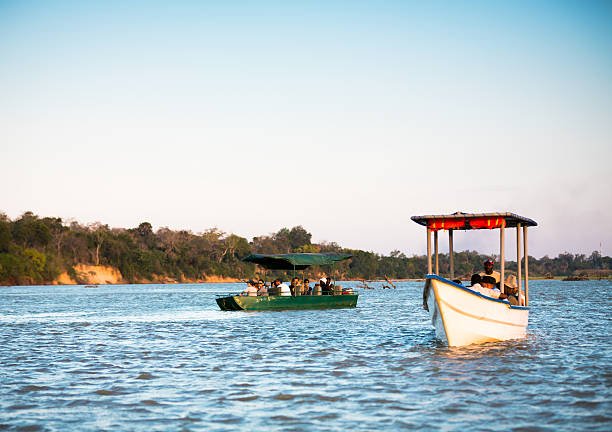
5-Day Southern Tanzania Group Joining Safari: Your Ultimate Adventure
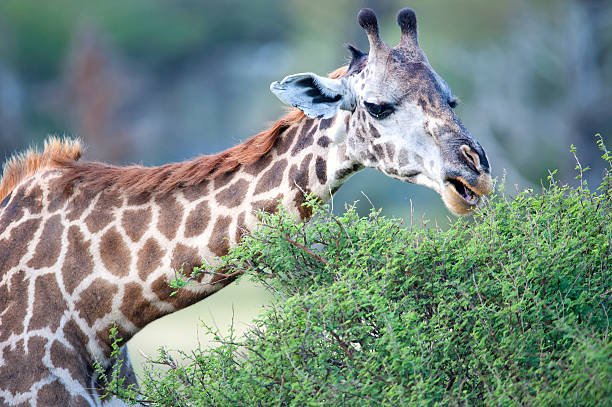
bEST Mikumi Safari Group Departures, Choose 1 Day, 2 Days, 3 Days 2026-2027
Shared Nyerere Day Safari Price: Guide & Costs 2026-2027
2-Day Nyerere Safari Cost: Shared Adventure Pricing For 2026-2027
Best Mikumi Safari Group Departures | Fly or Drive Option 2026-2027
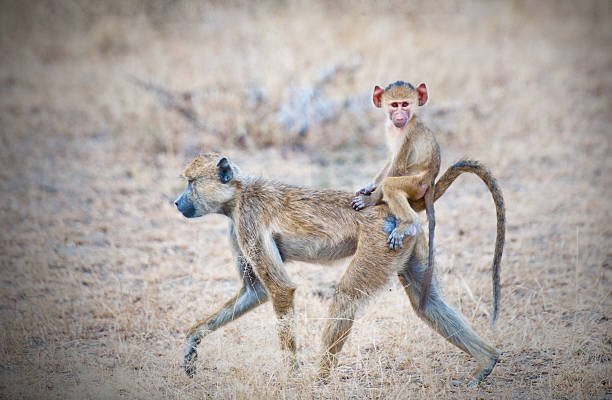
Best Nyerere Safari Group Departures Date, Table Price 2026-2027
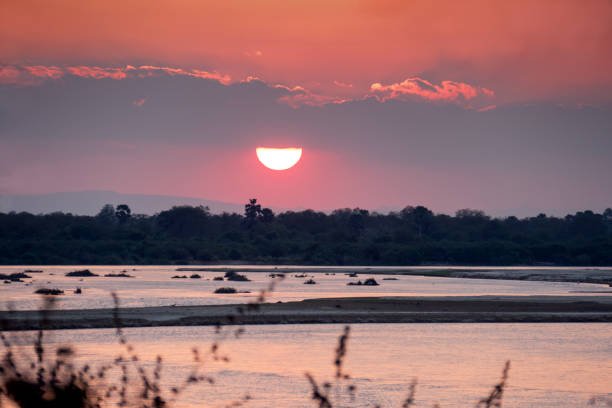
Best Selous Safari Group Departures & Table Price Guide 2026-2027
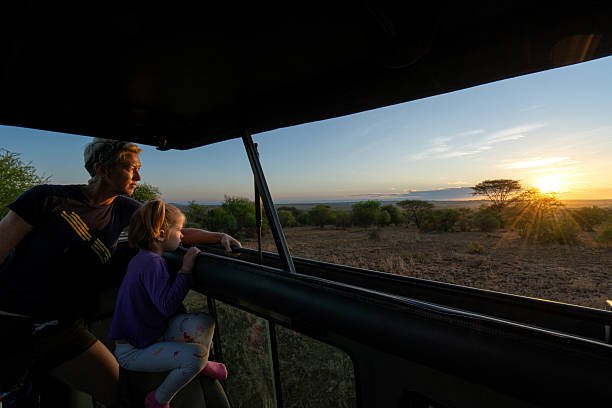
How Much Is A Shared Mikumi Safari? Pricing & Planning Guide 2026-2027
1-Day Shared Mikumi Safari From Zanzibar: Your Ultimate Day Trip Guide
2-Day Shared Nyerere Safari From Zanzibar: Your Essential Guide 2026-2027
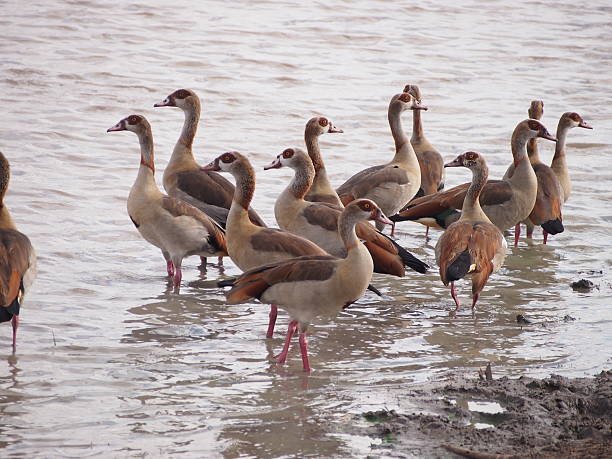
Is Nyerere Or Mikumi Cheaper From Zanzibar? Your Safari Cost Comparison
How Much Is A Three-Day Selous Safari? Costs And Whats Included In 2026-2027
Plan your group safari cost Africa with Top Guide Adventures



