
Updated planning guide for 2026, 2027
Is Tanzania Safe For Tourists?: Your Essential Travel Guide
Your comprehensive guide to understanding safety in Tanzania for tourists. We cover everything from general safety tips to specific advice for safaris, Kilimanjaro treks, and Zanzibar holidays, helping you plan a secure and memorable adventure for 2026 and 2027.
WhatsApp +255616946642 | topguideadventures@gmail.com | info@topguideadventures.com
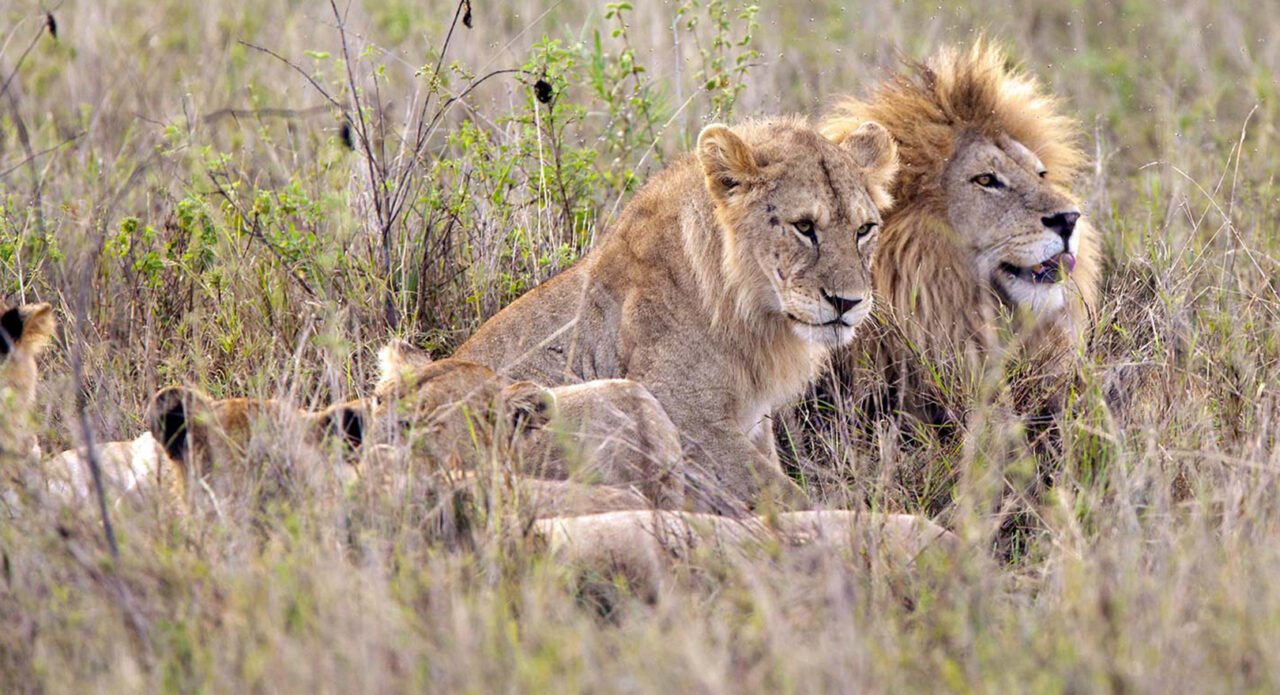
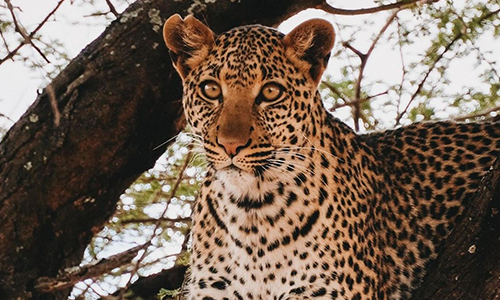
Understand Tanzania Travel Safety for Your 2026-2027 Adventure
Many travelers dream of witnessing the Great Migration across the Serengeti, standing atop Mount Kilimanjaro, or relaxing on the pristine beaches of Zanzibar. Tanzania offers these incredible experiences and more. However, a common question arises for anyone planning a trip: Is Tanzania safe for tourists? This guide aims to provide a thorough, practical, and honest answer, drawing on real-world travel insights and local knowledge to help you prepare for a secure and unforgettable journey in 2026 and 2027.
Understanding safety involves looking at various aspects, from personal security and health precautions to environmental factors and the reliability of tour operators. While no destination is entirely without risk, Tanzania is generally a safe country for tourists, especially when proper precautions are taken and you travel with reputable providers. This article will break down what you need to know to travel with confidence.
Table of Contents
- Quick Facts on Tanzania Safety
- Tanzania: A General Overview for Travelers
- Why Understanding Tanzania’s Safety is Crucial
- Health and Medical Safety in Tanzania
- Personal Safety and Crime Prevention
- Road Safety and Transportation
- Wildlife Safety on Safari
- Kilimanjaro Trekking Safety
- Zanzibar Specific Safety Considerations
- Best Time to Visit for Safety and Experience
- Sample Itinerary: Serengeti & Zanzibar Explorer (7 Days)
- What to Expect: The Tourist Experience
- Preparation and Packing for Safety
- Common Mistakes to Avoid
- Who is Tanzania Best Suited For?
- Alternatives to Consider
- Planning Your 2026-2027 Trip: Safety Focus
- Booking Advice for a Safe Trip
- Frequently Asked Questions (FAQs)
Quick Facts on Tanzania Safety
| Aspect | Notes |
|---|---|
| General Safety Rating | Generally safe for tourists, especially in popular areas and with reputable tour operators. Petty crime exists in urban centers. |
| Health Risks | Malaria, Yellow Fever (vaccination may be required), traveler’s diarrhea. Consult a doctor well in advance. |
| Road Safety | Can be challenging. Stick to reputable transport or guided tours. Drive on the left. |
| Wildlife Encounters | Strict protocols are in place in parks. Maintain distance and follow guide instructions. |
| Political Stability | Generally stable. Minor political demonstrations can occur; avoid large gatherings. |
| Natural Disasters | Earthquakes are rare but possible; tsunamis unlikely on the mainland coast. Volcanic activity is low-risk for tourists. |
| Terrorism Risk | Low, but as with any country, be aware of your surroundings. |
Tanzania: A General Overview for Travelers
Tanzania, located in East Africa, is renowned for its vast natural beauty and diverse landscapes. From the iconic plains of the Serengeti and the Ngorongoro Crater, home to abundant wildlife, to the snow-capped peak of Mount Kilimanjaro and the exotic spice islands of Zanzibar, the country offers a spectrum of adventure and relaxation. Major tourist hubs include Arusha (the gateway to northern safaris), Dar es Salaam (the commercial capital), and Zanzibar City.
The tourism industry is a significant contributor to Tanzania’s economy, and the government and local communities are generally welcoming and protective of visitors. Most tourist activities, such as safaris and trekking, are well-established and operate with safety as a priority. However, like any developing nation, Tanzania has its challenges, including infrastructure limitations in some areas and varying levels of public services. Awareness and preparation are key to a smooth trip.
Why Understanding Tanzania’s Safety is Crucial
Knowing is Tanzania safe for tourists is not about fear-mongering; it’s about responsible travel planning. A well-informed traveler is a prepared traveler. Understanding potential risks allows you to take necessary precautions, ensuring your trip is enjoyable and incident-free. This includes:
- Peace of Mind: Knowing you’ve done your homework reduces anxiety and allows you to fully immerse yourself in the experience.
- Health Preparedness: Understanding health risks like malaria or the need for vaccinations can prevent serious illness.
- Personal Security: Being aware of petty crime in cities helps you protect your belongings and yourself.
- Informed Choices: Safety considerations influence decisions about where to stay, how to travel, and which tour operators to trust.
- Emergency Preparedness: Knowing who to contact and what to do in an emergency is vital.
For 2026 and 2027 travel, current safety advisories from your home country’s foreign office are always a good starting point, but this guide provides a more detailed, on-the-ground perspective relevant to the tourist experience.
Health and Medical Safety in Tanzania
Health is a primary concern for any international travel. Tanzania’s tropical climate and developing infrastructure mean specific health considerations are important.
Vaccinations and Preventative Measures
It is crucial to consult your doctor or a travel clinic at least 4-6 weeks before your departure. Recommended vaccinations often include:
- Yellow Fever: Vaccination is often mandatory for entry into Tanzania if arriving from or transiting through a country with a risk of Yellow Fever. You will need to show your International Certificate of Vaccination (Yellow Card).
- Hepatitis A and B: Recommended for most travelers.
- Typhoid: Recommended, especially if you plan to eat outside of tourist-oriented establishments.
- Tetanus, Diphtheria, Pertussis: Ensure your routine vaccinations are up to date.
- Rabies: Recommended if you will be involved in activities with animals or in remote areas.
- Influenza: Consider an annual flu shot.
Malaria Prevention
Malaria is a significant risk in most parts of Tanzania, including safari destinations and Zanzibar, particularly during the rainy seasons. Mosquitoes are most active from dusk till dawn. Prevention strategies include:
- Antimalarial Medication: Your doctor will prescribe a suitable antimalarial drug. It’s vital to take it exactly as prescribed, starting before your trip and continuing after you return.
- Insect Repellent: Use a high-DEET repellent on exposed skin, especially in the evenings.
- Protective Clothing: Wear long sleeves and trousers during dawn and dusk.
- Mosquito Nets: Most accommodations in tourist areas will provide mosquito nets. Ensure they are intact and properly tucked in.
Other Health Concerns
- Traveler’s Diarrhea: Also known as “Montezuma’s Revenge” or “Turista,” this is common. Practice safe eating and drinking habits: drink bottled or purified water, avoid ice unless you know it’s made from purified water, eat well-cooked food, and peel fruits and vegetables yourself. Carry a basic medical kit with anti-diarrheal medication.
- Sun Protection: The equatorial sun is strong. Use high-SPF sunscreen, wear a wide-brimmed hat, and stay hydrated.
- Altitude Sickness: For Kilimanjaro trekkers, altitude sickness is a serious concern. Proper acclimatization is paramount.
Medical Facilities
Medical facilities vary significantly. Major cities and tourist hubs like Arusha have better-equipped hospitals and clinics. However, for serious emergencies, medical evacuation might be necessary. Ensure you have comprehensive travel insurance that covers medical emergencies and evacuation.
Personal Safety and Crime Prevention
Tanzania is generally safe for tourists, and violent crime against foreigners is rare. However, petty crime such as pickpocketing and bag snatching can occur, particularly in crowded areas like markets, bus stations, and in larger cities like Dar es Salaam and Zanzibar City. Here’s how to stay safe:
- Be Aware of Your Surroundings: This is the most crucial piece of advice. Pay attention to what’s happening around you, especially in busy places.
- Secure Valuables: Keep valuables out of sight. Avoid displaying expensive jewelry, cameras, or large amounts of cash. Use a money belt or secure pouch.
- Avoid Walking Alone at Night: Especially in urban areas, it’s safer to take a taxi.
- Use Reputable Taxis: Arrange taxis through your hotel or a trusted local contact. Agree on the fare before starting the journey.
- Be Wary of Scams: Be cautious of unsolicited offers of help, especially if they seem too good to be true. Common scams involve inflated prices for goods or services.
- Respect Local Customs: Tanzania is a largely conservative country, especially outside major tourist resorts. Dress modestly, particularly when visiting villages or religious sites. Avoid overly revealing clothing.
- Photography: Always ask permission before taking photos of people, especially children.
- Be Cautious with Strangers: While Tanzanians are generally friendly, be discerning about who you share personal information with.
On safari, you are typically in controlled environments with guides who prioritize your safety. In lodges and camps, security is usually good. The main areas where you need to be more vigilant are the larger cities and towns.
Road Safety and Transportation
Road conditions in Tanzania can be challenging. Roads outside major cities may be unpaved, poorly maintained, and dimly lit. Driving standards can also differ significantly from what you might be used to.
- Self-Driving: Generally not recommended for tourists unless you are very experienced with African road conditions.
- Public Transport: ‘Dalas’ (minibuses) are common but can be crowded and driven erratically. Long-distance buses are a more common option for inter-city travel, but safety standards vary.
- Taxis: Use reputable taxi services, preferably arranged by your accommodation. Confirm the fare before you start your trip.
- Tour Operators’ Vehicles: This is often the safest and most convenient way to travel. Reputable tour operators use well-maintained vehicles and experienced drivers who are familiar with the roads and local conditions. This is especially true for safari trips and Kilimanjaro transfers.
- Driving on the Left: Tanzania drives on the left side of the road.
- Night Driving: Avoid driving at night whenever possible due to poor lighting, unpaved roads, and the presence of animals and pedestrians.
If you are on a guided tour, your driver will handle the navigation and driving, significantly mitigating these risks. For transfers between airports, hotels, and safari lodges, rely on your tour operator.
Wildlife Safety on Safari
Tanzania’s wildlife is a major draw, and experiencing it up close is thrilling. However, it’s essential to remember that these are wild animals, and safety protocols are in place for a reason.
- Listen to Your Guide: Your safari guide is trained to understand animal behavior and knows how to ensure your safety. Follow their instructions implicitly.
- Stay Inside the Vehicle: Unless specifically instructed otherwise by your guide (e.g., at a designated picnic spot), remain inside the safari vehicle with doors closed and windows up when animals are near.
- Do Not Feed Animals: Feeding wildlife can make them aggressive and dependent on humans, which is dangerous for both animals and people.
- Maintain a Safe Distance: Never approach or try to touch wild animals. Your guide will position the vehicle at a safe distance.
- Keep Noise Levels Down: Loud noises can startle animals.
- Respect Their Space: Do not provoke animals or try to get their attention.
- Picnic Sites: If you stop for a break, stay within designated areas. Your guide will advise you on when it is safe to exit the vehicle.
Park rangers and anti-poaching units work to protect both wildlife and visitors. The vastness of the parks means that encounters are usually managed safely within the context of guided tours.
Kilimanjaro Trekking Safety
Climbing Mount Kilimanjaro is a challenging but rewarding experience. Safety is paramount, and reputable operators prioritize it heavily.
- Choose a Reputable Operator: This is the single most important safety decision. Ensure your operator is experienced, adheres to safety guidelines, uses qualified guides, and carries adequate emergency equipment. They should have a clear emergency evacuation plan.
- Acclimatization is Key: The most common cause of problems on Kilimanjaro is altitude sickness (Acute Mountain Sickness – AMS). Choose a longer route (e.g., 7-8 days) that allows for better acclimatization. “Pole pole” (slowly, slowly) is the mantra.
- Listen to Your Body and Guides: Report any symptoms of altitude sickness (headache, nausea, dizziness) to your guide immediately. They are trained to assess the situation and may recommend descending.
- Hydration and Nutrition: Drink plenty of fluids and eat well, even if you don’t feel like it. This helps your body cope with the altitude and exertion.
- Physical Fitness: While Kilimanjaro is not technically difficult, good physical fitness is essential to endure the trek and the altitude.
- Proper Gear: Having the right clothing and equipment (layers, waterproofs, good boots, warm sleeping bag) is crucial for comfort and safety.
- Emergency Oxygen and Medical Kits: Reputable operators will carry these.
While serious incidents are rare, they can happen. Choosing a company like Top Guide Adventures, which has a strong safety record and experienced guides, significantly enhances your safety on the mountain.
Zanzibar Specific Safety Considerations
Zanzibar, the semi-autonomous archipelago, offers a different experience from the mainland. While generally very safe and welcoming to tourists, there are a few points to keep in mind:
- Petty Crime: As in any tourist destination, pickpocketing and bag snatching can occur, particularly in crowded areas like Stone Town markets and busy beaches. Be aware of your surroundings, especially at night.
- Beach Safety: Be cautious of “beach boys” who may offer unsolicited services, guide you to shops, or try to sell you tours. While many are harmless, some can be persistent. A polite but firm “no, thank you” usually suffices.
- Swimming: Be aware of strong currents, especially on the east coast during certain times of the year. Heed any local warnings and swim in areas recommended by your hotel or local guides.
- Respect Local Culture: Zanzibar is a Muslim society. Dress modestly when away from the beach and when visiting Stone Town or local villages. This means covering shoulders and knees. Swimwear is acceptable on beaches and in hotel grounds, but not generally in public areas.
- Alcohol: Alcohol is available in tourist hotels and restaurants, but it is illegal to consume it in public places or to be intoxicated in public.
- Drugs: Drug laws are strict, and penalties are severe. Avoid any involvement with illegal substances.
- Touts and Hawkers: Be prepared for persistent touts, especially at airports, ferry terminals, and popular tourist sites. A firm but polite refusal is usually effective.
Overall, Zanzibar is a relaxed and safe destination. The key is to be aware, respectful, and to use common sense, just as you would in any popular tourist spot.
Best Time to Visit for Safety and Experience
Tanzania has two main seasons: the dry season and the rainy season. Both offer unique advantages and potential considerations for safety and travel.
| Period | Weather | Safari Conditions | Kilimanjaro Conditions | Zanzibar Conditions | Safety/Comfort Notes |
|---|---|---|---|---|---|
| June – October (Dry Season) | Cooler temperatures, minimal rain. Pleasant daytime temperatures, cooler nights. | Excellent. Vegetation is thinner, making wildlife spotting easier. Rivers are lower, concentrating animals. Peak Great Migration season in Serengeti. Roads are in good condition. | Ideal. Clear skies, stable temperatures, though nights are very cold. Less rain means better trekking conditions. | Warm and dry. Ideal for beach holidays. Lower humidity than rainy season. | Generally the most comfortable and safest time for most activities. Less risk of travel disruptions due to weather. |
| November – May (Rainy Season) | Warmer, with short rains (Nov-Dec) and long rains (Mar-May). Humidity can be high. | Good, but can be challenging. Green landscapes, newborn animals. Roads can become muddy and difficult to traverse, potentially causing delays or itinerary changes. Birdwatching is excellent. | Challenging. Rains can make paths slippery and visibility poor. Colder temperatures with rain and fog are common. Generally not recommended for climbing. | Hot and humid. Short rains can bring brief showers. Long rains can mean persistent rainfall, especially in April/May, making beach time less predictable. | Lower tourist numbers mean potentially lower prices. Need to be more flexible with plans due to potential weather disruptions. Mosquitoes are more prevalent during and after rains, increasing malaria risk. |
For those prioritizing comfort and minimizing potential weather-related disruptions to safety and logistics, the dry season (June to October) is often considered the best time to visit Tanzania. However, the shoulder seasons (like November or late May) can offer a good balance of decent weather and fewer crowds.
Sample Itinerary: Serengeti & Zanzibar Explorer (7 Days)
This sample itinerary focuses on popular destinations and provides a framework. Safety is integrated through the choice of operator and activities.
| Day | Location | Activity | Safety Notes |
|---|---|---|---|
| 1 | Arrive Kilimanjaro Airport (JRO), Transfer to Arusha | Meet your guide, transfer to your lodge. Briefing on your safari. | Pre-arranged airport transfer. Rest and acclimatize. |
| 2 | Arusha to Tarangire National Park | Full day game drive in Tarangire, known for its large elephant herds and baobab trees. | Travel in a secure safari vehicle with an experienced driver-guide. Stay within vehicle boundaries. |
| 3 | Tarangire to Serengeti National Park | Morning game drive in Tarangire, then drive to Serengeti via Ngorongoro Conservation Area (game drive en route). | Long travel day. Focus on road safety. Follow guide’s instructions regarding wildlife sightings. |
| 4 | Serengeti National Park | Full day of game drives in the Serengeti, searching for the Big Five and witnessing the vast plains. | Adhere to all wildlife safety rules. Guides know safe distances and animal behavior. |
| 5 | Serengeti to Zanzibar | Morning game drive in Serengeti, then transfer to Seronera Airstrip for a flight to Zanzibar. Transfer to hotel. | Flight is a safe and efficient way to travel between locations. Follow airport and hotel security procedures. |
| 6 | Zanzibar | Explore Stone Town (historical tour) and/or relax on the beach (e.g., Nungwi or Kendwa). Optional spice tour. | Be aware of petty crime in Stone Town. Respect local customs. Use reputable guides for tours. Check beach conditions for swimming. |
| 7 | Zanzibar Departure | Enjoy a final breakfast, transfer to Zanzibar Airport (ZNZ) for your onward flight. | Pre-arranged airport transfer. |
What to Expect: The Tourist Experience
Tanzania offers a genuine and often profound travel experience. You can expect:
- Incredible Wildlife: Unparalleled opportunities to see animals in their natural habitat.
- Stunning Landscapes: From vast savannas to towering mountains and turquoise waters.
- Warm Hospitality: Tanzanians are generally friendly and welcoming people.
- Varying Infrastructure: Comfort levels and amenities can range from basic to luxurious, depending on your chosen lodges and locations. Internet access can be spotty outside major towns.
- Cultural Richness: Opportunities to learn about local cultures, traditions, and history.
- Dependence on Tour Operators: For most tourists, especially those on safari or climbing Kilimanjaro, a significant part of the experience is managed by a tour operator. This means relying on their expertise for logistics, accommodation, and safety.
When you ask is Tanzania safe for tourists, consider that the tourist infrastructure is designed to cater to international visitors, with safety and comfort being key considerations for reputable providers. The experience is often more about immersion in nature and culture than navigating complex urban environments independently.
Preparation and Packing for Safety
Proper preparation and packing are vital for a safe and comfortable trip.
Essential Preparation Checklist:
- Health Consultations: Schedule with doctor/travel clinic 4-6 weeks prior.
- Vaccinations & Medications: Obtain all necessary shots and prescriptions (malaria pills, personal meds).
- Travel Insurance: Ensure comprehensive coverage for medical emergencies, evacuation, trip cancellation, and lost items.
- Visas: Check visa requirements for your nationality well in advance.
- Emergency Contacts: Save local emergency numbers and your embassy’s contact details.
- Copies of Documents: Keep digital and physical copies of passport, visa, insurance, and flight details.
- Currency: Have some US Dollars (widely accepted for park fees and by tour operators) and Tanzanian Shillings for local purchases. Notify your bank of your travel dates.
- Learn Basic Swahili Phrases: “Jambo” (Hello), “Asante sana” (Thank you very much), “Pole pole” (Slowly, slowly).
Key Packing Items for Safety & Comfort:
- Lightweight, Breathable Clothing: Neutral colors for safari (khaki, beige, olive). Long sleeves and trousers for sun and insect protection.
- Warm Layers: Especially for Kilimanjaro and early morning/evening game drives (fleece, down jacket).
- Waterproof Outerwear: A good rain jacket and possibly rain pants, even in the dry season.
- Sturdy, Broken-in Hiking Boots: Essential for Kilimanjaro, good for walking safaris.
- Comfortable Camp Shoes/Sandals: For relaxing at lodges/camps.
- Sun Protection: High-SPF sunscreen, wide-brimmed hat, sunglasses.
- Insect Repellent: With at least 30% DEET.
- Basic First-Aid Kit: Including antiseptic wipes, bandages, pain relievers, anti-diarrheal medication, motion sickness remedies, and any personal prescriptions.
- Reusable Water Bottle: To stay hydrated and reduce plastic waste.
- Headlamp/Torch: Essential for moving around camps/lodges at night.
- Binoculars: For enhanced wildlife viewing.
- Camera & Extra Batteries/Memory Cards: You’ll want to capture everything!
- Power Adapter/Converter: Tanzania uses Type D sockets, 230V.
- Hand Sanitizer: For use when soap and water aren’t readily available.
Common Mistakes to Avoid
Avoiding common pitfalls can significantly enhance your safety and overall experience in Tanzania.
- Not consulting a doctor: Delaying health advice can lead to preventable illnesses.
- Underestimating altitude sickness: Rushing Kilimanjaro or not choosing a longer route.
- Ignoring local customs: Dressing inappropriately or being disrespectful can cause offense and make interactions difficult.
- Walking alone at night in cities: Increases risk of petty crime.
- Displaying valuables: Making yourself a target for pickpockets.
- Drinking tap water: Stick to bottled or purified water to avoid traveler’s diarrhea.
- Not using a reputable tour operator: This is crucial for safari and Kilimanjaro safety, and for smooth logistics.
- Not having adequate travel insurance: A medical emergency without proper coverage can be financially devastating.
- Believing everything you hear from touts: Be discerning and stick to trusted sources.
- Forgetting insect repellent or malaria medication: Essential for preventing mosquito-borne illnesses.
Who is Tanzania Best Suited For?
Tanzania is an excellent destination for a wide range of travelers:
- Adventure Seekers: Kilimanjaro climbs, white-water rafting (seasonal), and extensive trekking opportunities.
- Wildlife Enthusiasts: Unrivaled safari experiences in world-famous parks like the Serengeti, Ngorongoro, and Tarangire.
- Nature Lovers: Diverse ecosystems, stunning scenery, and opportunities for birdwatching and photography.
- Culture Enthusiasts: Opportunities to visit Maasai villages, learn about local traditions, and explore historical sites like Stone Town.
- Honeymooners and Couples: Romantic beach getaways in Zanzibar, luxury safari lodges, and breathtaking landscapes.
- Families: With careful planning and child-friendly lodges/activities, Tanzania can be a fantastic family destination, offering educational and exciting experiences.
- Photographers: Incredible opportunities for wildlife, landscape, and cultural photography.
The key to a safe and enjoyable trip for any of these traveler types is partnering with a knowledgeable tour operator that understands their specific needs and safety requirements.
Alternatives to Consider
While Tanzania is exceptional, other East African destinations offer similar experiences. If you’re considering alternatives or looking to combine destinations:
- Kenya: Offers world-class safaris, including the Maasai Mara, known for the Great Migration. It has a well-developed tourism infrastructure.
- Uganda/Rwanda: Famous for gorilla trekking and chimpanzee tracking, alongside savanna safaris.
- South Africa: Offers a wide range of safari experiences, often with more developed infrastructure and self-drive options, plus diverse landscapes and wine regions.
- Botswana: Known for its high-end, low-impact safari tourism, particularly in the Okavango Delta and Chobe National Park.
- Zanzibar Alternatives: For island relaxation, consider Mauritius, Seychelles, or the Kenyan coast for different vibes and experiences.
Each destination has its own safety considerations and unique appeal. Tanzania, however, offers a potent combination of iconic wildlife, challenging treks, and exotic islands that is hard to match.
Planning Your 2026-2027 Trip: Safety Focus
When planning your Tanzanian adventure for 2026 or 2027, integrate safety from the outset:
- Book with Reputable Companies: Research tour operators thoroughly. Look for companies with strong safety records, good reviews, and clear communication channels. Companies like Top Guide Adventures are built on providing safe, well-managed experiences.
- Choose Appropriate Itineraries: Longer itineraries for Kilimanjaro, and carefully planned safari routes that account for travel times and road conditions, contribute to safety.
- Understand Inclusions and Exclusions: Clarify what your tour package covers, especially regarding emergency support, park fees, and medical provisions.
- Travel Insurance is Non-Negotiable: Ensure your policy is robust and covers all planned activities, including high-altitude trekking if applicable.
- Stay Informed: Monitor travel advisories from your government, but also rely on your tour operator for the most current local conditions.
- Pack Smart: The right gear can prevent discomfort and minor injuries, contributing to overall safety.
- Communicate Your Needs: If you have specific health concerns or dietary requirements, inform your operator well in advance.
By focusing on these elements, you can build a solid foundation for a safe and enjoyable trip in 2026 or 2027.
Booking Advice for a Safe Trip
Making informed booking decisions is crucial for ensuring your trip to Tanzania is safe and worry-free.
- Vet Your Tour Operator: This is the most critical step. Look for:
- Experience: How long have they been operating? Do they specialize in Tanzania?
- Reviews and Testimonials: Check independent review sites, but also look for detailed feedback on their website or social media.
- Safety Protocols: Inquire about their emergency procedures, guide training, and equipment standards (especially for Kilimanjaro).
- Communication: Are they responsive and clear in their communication? Do they answer your questions thoroughly?
- Local Presence: A local operator often has better on-the-ground knowledge and quicker response times in case of issues.
- Understand What’s Included: Carefully review your itinerary and booking confirmation. Ensure you know what services, meals, park fees, and activities are covered. This prevents unexpected costs and misunderstandings.
- Payment Security: Use secure payment methods. Reputable operators will have clear payment terms and policies.
- Contract and Terms: Read the terms and conditions before booking. Pay attention to cancellation policies and force majeure clauses.
- Ask Questions: Don’t hesitate to ask your operator about anything you’re unsure of, especially regarding safety, health, and logistics.
For a reliable and safe safari, Kilimanjaro trek, or Zanzibar holiday, consider contacting experienced local operators. For assistance with your travel plans, feel free to reach out to:
WhatsApp: +255616946642
Email: topguideadventures@gmail.com
Backup Email: info@topguideadventures.com
Frequently Asked Questions (FAQs)
Q1: Is Tanzania safe for solo female travelers?
A1: Yes, Tanzania is generally safe for solo female travelers, especially when traveling with reputable tour operators for safaris and Kilimanjaro. Common sense precautions, like avoiding walking alone at night in cities and dressing modestly, are advised. Zanzibar is also very welcoming, though beach touts can be persistent. Sticking to established tourist routes and accommodations significantly enhances safety.
Q2: What are the main health risks in Tanzania for tourists?
A2: The primary health risks include malaria, traveler’s diarrhea, and the need for vaccinations like Yellow Fever. Altitude sickness is a risk for Kilimanjaro climbers. It’s essential to consult a doctor for advice on vaccinations and malaria prophylaxis well before your trip and to practice good hygiene and food/water safety.
Q3: Do I need a visa to visit Tanzania?
A3: Visa requirements vary by nationality. Many nationalities can obtain a visa on arrival at major entry points or apply online in advance. It’s crucial to check the latest requirements with the Tanzanian embassy or consulate in your country well before your planned travel in 2026 or 2027.
Q4: Is it safe to drink tap water in Tanzania?
A4: No, it is not recommended to drink tap water in Tanzania. Always drink bottled or purified water. Ice in drinks should also be avoided unless you are certain it’s made from purified water. Reputable lodges and tour operators will provide safe drinking water.
Q5: What should I do if I get sick on safari or on Kilimanjaro?
A5: Immediately inform your safari guide or trekking guide. They are trained to assess your condition and administer basic first aid or make decisions about evacuation if necessary. Ensure your travel insurance covers medical emergencies and evacuation.
Q6: Are there specific safety concerns for children traveling to Tanzania?
A6: Tanzania can be a wonderful destination for families. Safety for children is similar to adults: ensure they are up-to-date on vaccinations, use insect repellent diligently, supervise them closely during game drives and at lodges, and choose child-friendly accommodations and activities. Reputable tour operators can tailor itineraries for families.
Q7: What is the risk of terrorism in Tanzania?
A7: The risk of terrorism in Tanzania is considered low. However, as with any travel destination, it’s prudent to be aware of your surroundings, avoid large crowds or demonstrations, and follow local advice. Your tour operator will be aware of any local security concerns.
Q8: How can I ensure the safety of my belongings?
A8: To protect your belongings, avoid displaying expensive items like jewelry or electronics. Use hotel safes where available. When out, keep valuables secure and out of sight, and be particularly vigilant in crowded markets and transport hubs. Travel insurance should cover lost or stolen items.
Q9: Is it safe to drive around Tanzania independently?
A9: Self-driving is generally not recommended for tourists due to challenging road conditions, variable driving standards, and potential navigation difficulties. It’s safer and more convenient to use reputable tour operators for transport, especially for safaris and Kilimanjaro transfers.
Q10: What currency should I bring, and is it safe to use ATMs?
A10: US Dollars are widely accepted for park fees, larger purchases, and by many tour operators. Tanzanian Shillings are used for local markets and smaller expenses. ATMs are available in major towns and cities, but it’s wise to carry some USD cash as a backup and notify your bank of your travel dates. Use ATMs in well-lit, busy areas.
Plan Your Safe Tanzania Adventure Today
Understanding is Tanzania safe for tourists is the first step towards a well-prepared and enjoyable journey. Tanzania offers unparalleled natural beauty and unforgettable experiences, and with the right planning and a trusted partner, your adventure can be both safe and spectacular. Whether you’re dreaming of the vast Serengeti plains, the challenge of Mount Kilimanjaro, or the turquoise waters of Zanzibar, we are here to help you craft a trip that prioritizes your well-being.
For expert advice tailored to your travel style, custom itinerary planning, and booking assistance for 2026 and 2027, connect with our team. We are dedicated to ensuring your Tanzanian adventure is everything you hope for and more.
Contact us:
WhatsApp: +255616946642
Email: topguideadventures@gmail.com
Backup Email: info@topguideadventures.com
Plan your Is Tanzania Safe for Tourists? with Top Guide Adventures
Tell us your travel dates, group size, comfort level, and dream experience. We will help you shape a clear, realistic, and memorable Tanzania itinerary.



